
Lyko MCP Server for LangChain 12 tools — connect in under 2 minutes
LangChain is the leading Python framework for composable LLM applications. Connect Lyko through Vinkius and LangChain agents can call every tool natively. combine them with retrievers, memory, and output parsers for sophisticated AI pipelines.
ASK AI ABOUT THIS MCP SERVER
Vinkius supports streamable HTTP and SSE.
import asyncio
from langchain_mcp_adapters.client import MultiServerMCPClient
from langchain_openai import ChatOpenAI
from langgraph.prebuilt import create_react_agent

async def main():
    # Your Vinkius token. get it at cloud.vinkius.com
    async with MultiServerMCPClient({
        "lyko": {
            "transport": "streamable_http",
            "url": "https://edge.vinkius.com/[YOUR_TOKEN_HERE]/mcp",
        }
    }) as client:
        tools = client.get_tools()
        agent = create_react_agent(
            ChatOpenAI(model="gpt-4o"),
            tools,
        )
        response = await agent.ainvoke({
            "messages": [{
                "role": "user",
                "content": "Using Lyko, show me what tools are available.",
            }]
        })
        print(response["messages"][-1].content)

asyncio.run(main())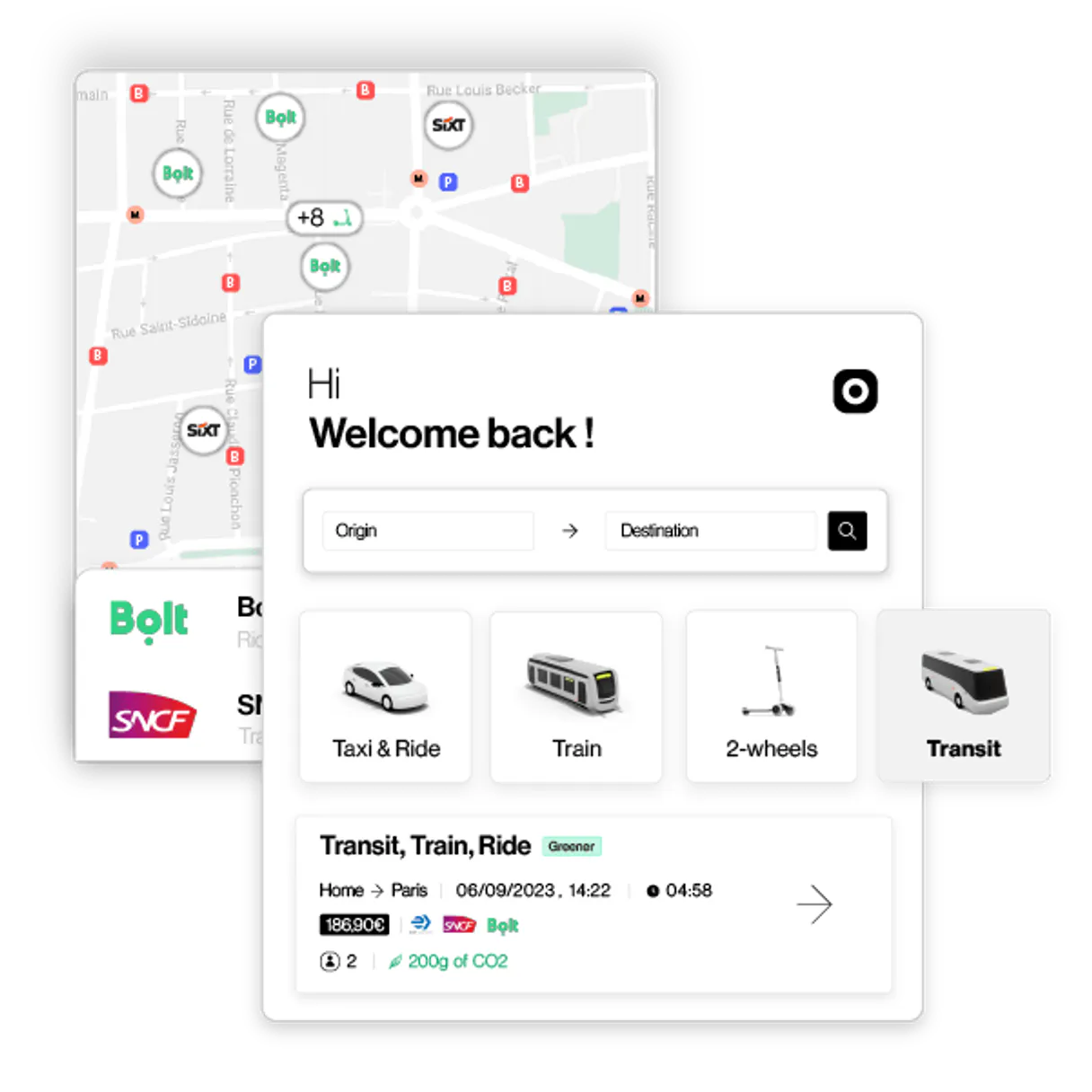
* Every MCP server runs on Vinkius-managed infrastructure inside AWS - a purpose-built runtime with per-request V8 isolates, Ed25519 signed audit chains, and sub-40ms cold starts optimized for native MCP execution. See our infrastructure
About Lyko MCP Server
Connect your Lyko Transit API mobility platform to any AI agent and take full control of European public transit planning, real-time departure monitoring, and multimodal journey optimization through natural conversation.
LangChain's ecosystem of 500+ components combines seamlessly with Lyko through native MCP adapters. Connect 12 tools via Vinkius and use ReAct agents, Plan-and-Execute strategies, or custom agent architectures. with LangSmith tracing giving full visibility into every tool call, latency, and token cost.
What you can do
- Trip Planning — Plan door-to-door intermodal journeys combining buses, trains, subways, trams, ferries, bike-sharing, and walking
- Real-Time Departures — Check upcoming departures at any transit stop with ETAs, platforms, and delay indicators
- Arrival Tracking — Monitor incoming services for passenger pickup and connection coordination
- Stop Discovery — Search transit stops by name, address, or landmark across 300+ European operators
- Nearby Stops — Find all transit stops near any geographic location with distance calculations
- Stop Details — Get comprehensive stop information including served lines, accessibility, and amenities
- Line Information — Research transit lines with operator details, service hours, and route characteristics
- Line Routes — View complete stop sequences and route patterns for any transit line
- Operator Directory — Browse 300+ transit operators across Europe with coverage areas and service modes
- Network Status — Check service disruptions, planned works, strikes, and delay alerts for any operator
- GTFS Feeds — Access raw GTFS transit data for offline analysis and academic research
- Trip Booking — Book train tickets, bus passes, bike rentals, and other mobility services through Lyko Book
The Lyko MCP Server exposes 12 tools through the Vinkius. Connect it to LangChain in under two minutes — no API keys to rotate, no infrastructure to provision, no vendor lock-in. Your configuration, your data, your control.
How to Connect Lyko to LangChain via MCP
Follow these steps to integrate the Lyko MCP Server with LangChain.
Install dependencies
Run pip install langchain langchain-mcp-adapters langgraph langchain-openai
Replace the token
Replace [YOUR_TOKEN_HERE] with your Vinkius token
Run the agent
Save the code and run python agent.py
Explore tools
The agent discovers 12 tools from Lyko via MCP
Why Use LangChain with the Lyko MCP Server
LangChain provides unique advantages when paired with Lyko through the Model Context Protocol.
The largest ecosystem of integrations, chains, and agents. combine Lyko MCP tools with 500+ LangChain components
Agent architecture supports ReAct, Plan-and-Execute, and custom strategies with full MCP tool access at every step
LangSmith tracing gives you complete visibility into tool calls, latencies, and token usage for production debugging
Memory and conversation persistence let agents maintain context across Lyko queries for multi-turn workflows
Lyko + LangChain Use Cases
Practical scenarios where LangChain combined with the Lyko MCP Server delivers measurable value.
RAG with live data: combine Lyko tool results with vector store retrievals for answers grounded in both real-time and historical data
Autonomous research agents: LangChain agents query Lyko, synthesize findings, and generate comprehensive research reports
Multi-tool orchestration: chain Lyko tools with web scrapers, databases, and calculators in a single agent run
Production monitoring: use LangSmith to trace every Lyko tool call, measure latency, and optimize your agent's performance
Lyko MCP Tools for LangChain (12)
These 12 tools become available when you connect Lyko to LangChain via MCP:
book_trip
Supports booking train tickets, bus tickets, bike-sharing rentals, car-sharing reservations, and other mobility services available through the Lyko Book platform. Returns booking confirmation, payment details, ticket information, QR codes for validation, and cancellation policies. Availability and booking capabilities vary by operator and service type. Essential for Mobility-as-a-Service integration, ticket purchasing, service reservations, and end-to-end journey planning with booking. AI agents should use this when users ask "book this train ticket", "reserve a bike for this trip", or want to complete a mobility service reservation after planning a route. Book a transit trip or mobility service through Lyko Book
get_arrivals
Returns list of arriving services with line names and numbers, origins, scheduled and real-time arrival times (ETA), platform or bay information, delay indicators, and operator details. Essential for passenger pickup coordination, arrival monitoring, transit hub management, and real-time arrival boards. AI agents use this when users ask "when does the next train arrive at X", "show incoming services at this station", or need to track arriving services for passenger coordination. Get upcoming arrivals at a specific transit stop
get_departures
Returns list of departing services with line names and numbers, destinations, scheduled and real-time departure times (ETD), platform or bay information, delay indicators, and operator details. Supports buses, trains, trams, subways, and ferries across European transit networks. Essential for passenger information displays, departure boards, travel apps, and real-time transit monitoring. AI agents should reference this when users ask "when is the next bus from stop X", "show departures from this station", or need to monitor upcoming services at a known transit stop. Get next departures from a specific transit stop
get_line_info
Returns line name, number, type (bus, train, tram, subway, ferry), operator, color code, route description, service hours, frequency, and accessibility information. Essential for line identification, transit network exploration, service information queries, and route planning context. AI agents should reference this when users ask "tell me about line M1", "what operator runs bus line 42", or need line metadata to understand transit service characteristics. Get information about a specific transit line
get_line_routes
Returns route variants (e.g., direction A and B), complete stop sequences with order, scheduled frequencies, first and last service times, and any service variations (express vs. local, peak vs. off-peak). Essential for complete line visualization, stop sequence analysis, transit mapping, and understanding service patterns. AI agents use this when users ask "show me all stops on line X", "what is the full route of bus 42", or need to understand complete service patterns for a transit line. Get all routes and stops for a specific transit line
get_nearby_stops
Returns nearby stops with distances from the coordinate, stop names, locations, served lines, operators, and stop types, sorted by proximity. Essential for location-based transit discovery, passenger navigation, "stops near me" features, and geographic transit analysis. AI agents use this when users ask "what stops are near my current location", "find transit stops within 500m of these coordinates", or need to discover accessible transit options from a specific point. Find transit stops near a geographic location
get_network_status
Returns active service disruptions, planned works, line closures, delay information, weather impacts, strike notifications, and alternative service recommendations. Essential for real-time service monitoring, disruption awareness, passenger communication, and travel planning during service changes. AI agents should reference this when users ask "are there any disruptions on SNCF trains", "is the Berlin U-Bahn running normally", or need to check service reliability before planning trips. Get current network status and service alerts for a transit operator
get_operators
Returns operator names, IDs, countries, coverage areas, transport modes operated (bus, train, tram, subway, ferry), contact information, and service status. Covers 300+ operators across Europe including SNCF (France), DB (Germany), NS (Netherlands), RENFE (Spain), Trenitalia (Italy), and many regional and local operators. Essential for operator research, transit network scoping, country-specific transit analysis, and understanding service coverage. AI agents should use this when users ask "what transit operators are available in France", "list all train operators in Germany", or need to identify operators for a specific country or region. List public transit operators available in a country or region
get_stop_info
Returns stop name, location (latitude, longitude, address), served lines and routes, stop type (bus stop, train station, tram stop, subway station, ferry terminal), operator information, accessibility features (wheelchair access, elevators), and available amenities. Essential for stop identification, accessibility planning, transit network analysis, and passenger information. AI agents should use this when users ask "tell me about this stop", "what lines serve stop X", or need detailed stop metadata to contextualize transit queries. Get detailed information about a specific transit stop
get_transit_feed
Returns feed metadata, last update timestamp, included operators, coverage area, data freshness indicators, and download or access URLs. GTFS feeds contain static schedule data, route definitions, stop locations, fare information, and service calendars. Essential for transit data analysis, offline planning applications, academic research, and transit network visualization. AI agents use this when users need access to raw GTFS data, want to analyze transit schedules offline, or require complete network definitions for planning applications. Access GTFS transit feed data for a specific operator or region
plan_trip
Supports multiple transport modes including buses, trains, subways, trams, ferries, bike-sharing, car-sharing, and walking combinations. Returns complete itinerary with departure and arrival times, duration, number of transfers, legs with mode details (line name, operator, vehicle type), intermediate stops, walking distances, fares if available, and real-time delay information. Essential for travel planning, multimodal journey optimization, passenger information systems, and Mobility-as-a-Service (MaaS) applications. AI agents should use this when users ask "how do I get from X to Y by public transport", "plan a trip from Paris Gare du Nord to Versailles", or need intermodal route options with timing and transfer details. Plan an intermodal trip between two locations using public transit
search_stops
Returns matching stops with stop IDs, names, locations (latitude, longitude), served lines, operators, and stop types. Essential for stop discovery, journey planning interfaces, transit stop identification, and building location-based transit features. AI agents should use this when users ask "find the bus stop near Champs-Elysees", "search for stops called X", or need to identify stop IDs for use in departure/arrival queries. Search for transit stops by name or location
Example Prompts for Lyko in LangChain
Ready-to-use prompts you can give your LangChain agent to start working with Lyko immediately.
"Plan a trip from Paris Gare du Nord to the Palace of Versailles using public transit."
"Show me all departures from Berlin Alexanderplatz station in the next 30 minutes."
"What transit operators are available in the Netherlands, and is NS (Dutch Railways) running normally today?"
Troubleshooting Lyko MCP Server with LangChain
Common issues when connecting Lyko to LangChain through the Vinkius, and how to resolve them.
MultiServerMCPClient not found
pip install langchain-mcp-adaptersLyko + LangChain FAQ
Common questions about integrating Lyko MCP Server with LangChain.
How does LangChain connect to MCP servers?
langchain-mcp-adapters to create an MCP client. LangChain discovers all tools and wraps them as native LangChain tools compatible with any agent type.Which LangChain agent types work with MCP?
Can I trace MCP tool calls in LangSmith?
Connect Lyko with your favorite client
Step-by-step setup guides for every MCP-compatible client and framework:
Anthropic's native desktop app for Claude with built-in MCP support.
AI-first code editor with integrated LLM-powered coding assistance.
GitHub Copilot in VS Code with Agent mode and MCP support.
Purpose-built IDE for agentic AI coding workflows.
Autonomous AI coding agent that runs inside VS Code.
Anthropic's agentic CLI for terminal-first development.
Python SDK for building production-grade OpenAI agent workflows.
Google's framework for building production AI agents.
Type-safe agent development for Python with first-class MCP support.
TypeScript toolkit for building AI-powered web applications.
TypeScript-native agent framework for modern web stacks.
Python framework for orchestrating collaborative AI agent crews.
Leading Python framework for composable LLM applications.
Data-aware AI agent framework for structured and unstructured sources.
Microsoft's framework for multi-agent collaborative conversations.
Connect Lyko to LangChain
Get your token, paste the configuration, and start using 12 tools in under 2 minutes. No API key management needed.