
DevRel Voice Prover MCP. Audit content to sound like a senior engineer, not marketing copy.
 Gemini
 Works with every AI agent you already use
…and any MCP-compatible client









Just plug in your AI agents and start using Vinkius.
DevRel Voice Prover validates developer communications, forcing a true developer-to-developer voice. Your AI agent checks if release notes sound like corporate marketing hype or like a senior engineer explaining a fix to a peer.
It ensures content references specific community signals (like GitHub issue numbers), explains the actual developer value (the 'why'), and provides immediate, runnable code paths.
It catches generic content and template speak.
What your AI agents can do
Validate devrel voice
Validates developer relations communication, checking for peer-to-peer tone, specific community signals, articulated developer value, runnable code paths, and authentic engagement.
Checks communication content for five critical axes: authentic developer tone, community context, stated developer value, actionable paths, and genuine engagement.
Ask AI about this MCP
Supported MCP Clients
Gemini Waiting for input…
DevRel Voice Prover MCP Server: 1 Tool for Voice Validation
Validate the tone and context of your developer communications using the `validate_devrel_voice` tool.
019e58c8validate devrel voice
Validates developer relations communication, checking for peer-to-peer tone, specific community signals, articulated developer value, runnable code paths, and authentic engagement.
Choose How to Get Started
Build a custom MCP for your own tools, or connect a ready-made integration from our catalog.
Build Your Own
Turn any API into an MCP. Import a spec, define Agent Skills, or deploy with MCPFusion.
- Import from OpenAPI, Swagger, or YAML specs
- Create Agent Skills with progressive disclosure
- Deploy to edge with MCPFusion framework
- Built in DLP, auth, and compliance on every call
- Real time usage dashboard and cost metering
- Publish to catalog or keep private
Make Your AI Do More
Start with DevRel Voice Prover, then connect any of our 4,700+ other servers whenever your AI needs more. One click, no limits.
- Use this MCP plus 4,700+ others, all in one place
- Add new capabilities to your AI anytime you want
- Every connection is secured and compliant automatically
- Track usage and costs across all your servers
- Works with Claude, ChatGPT, Cursor, and more
- New servers added to the catalog every week
What you can do with this MCP connector
Listen up. Your AI client uses the validate_devrel_voice tool to check your developer communications. It forces your content to sound like a senior engineer talking to a peer, not some corporate marketing hype. You gotta make sure your release notes aren't just fluff; they gotta show the real developer value.
This tool checks five things: the tone, the community context, what developers actually gain, the next steps, and if it sounds like you actually talked to people.
Tone: It checks for a direct, technical, peer-to-peer voice. You can't use buzzwords like 'innovative' or 'best-in-class.' The tone needs to be straight talk. Community Context: You gotta reference specific signals—like a GitHub issue number or a Discord thread—to prove the change came from the community, not some corporate calendar. Developer Value: It forces you to explain why developers should care.
Did this fix a pain point? Did it get rid of a messy workaround? How does this actually change their day-to-day work? Actionable Paths: You can't just say, 'Try it out!' You need concrete next steps. That means runnable code, a migration command, a docs link, a quickstart guide, or a feedback channel. Authentic Engagement: It looks for personality and specific references that tie the post to real, ongoing conversations.
It makes sure your content isn't just some generic template you can swap out for a competitor's stuff.
This tool works for changelogs, release notes, blog posts, tutorials, and any community update. It makes sure your content passes the sniff test and actually sounds like it came from someone who's in the weeds with the code, not from the PR department.
How DevRel Voice Prover MCP Works
- 1 Feed the AI agent the draft content, along with the relevant context (e.g., GitHub issue numbers, specific community feedback, and the core change).
- 2 The agent calls
validate_devrel_voiceto run the content against the five validation axes (tone, community context, value, action path, engagement). - 3 The tool returns a detailed verdict, highlighting exactly which axes failed (e.g., 'Missing actionable path: requires code example') and providing a rewrite guide.
The bottom line is that you get a technical audit of your writing that guarantees the tone resonates with engineers, not marketing executives.
Who Is DevRel Voice Prover MCP For?
Technical Writers, DevRel Managers, and Engineering Leads. This is for the person who gets frustrated reading release notes full of buzzwords and who knows that the community needs to hear from a peer, not a sales team. It helps you write content that actually gets used.
Uses this tool to check draft changelogs before they go live. They ensure every announcement ties back to specific community issues and provides a clear migration path.
Runs this against blog posts and tutorials. They force themselves to explain the 'why'—what pain does this fix—instead of just listing technical features.
Checks internal release notes. They make sure the language is direct and technical, sounding like a conversation among senior peers, not an executive summary.
What Changes When You Connect
- Stop writing feature dumps. The tool forces you to explain the pain the new feature solves, not just list the feature itself. It makes you articulate the 'why' for every change.
- Guarantee community relevance. It won't let you write about changes without referencing specific sources like GitHub issue numbers or Discord threads, so your content feels grounded.
- Build reliable guides. It forces the inclusion of runnable code examples, migration commands, and clear quickstart steps. You get actionable paths, not just vague suggestions.
- Avoid corporate fluff. The
validate_devrel_voicetool instantly flags buzzwords like 'innovative' or 'best-in-class,' keeping your tone direct, technical, and honest. - Maintain consistent voice. It flags generic content, making sure your release notes sound specific to your product and not like boilerplate copy you could use for any competitor.
Real-World Use Cases
Announcing a Critical API Fix
An engineer drafts a release note for a fix (e.g., token expiration). They run it through the agent. The agent detects the missing community context (e.g., issue #312) and forces the writer to include the specific issue number, the technical 'before' state, and the runnable code for the fix.
Drafting a New Feature Blog Post
A DevRel manager wants to write about a new API endpoint. They feed the draft in, and the agent flags that they only listed the endpoint's capabilities (WHAT). The tool forces them to write a section explaining which old workaround this feature eliminates and how it improves the developer's daily workflow (the WHY).
Updating Migration Guides
The team changes a core data structure. The writer needs to update the migration guide. The agent requires a specific, runnable migration command and a link to the updated docs, preventing the content from becoming a 'try it out' pamphlet.
Responding to a Major Community Complaint
A product team needs to announce a change driven by a major complaint thread in Discord. They use the tool, which forces them to reference the specific Discord thread ID and adopt a vulnerable, peer-to-peer tone that acknowledges the community's pain directly.
The Tradeoffs
Feature Dump Content
We added WebSocket support. We added dark mode. We added rate limiting. These features make the platform better. Try them out!
→
Instead of listing features, use validate_devrel_voice. Focus on the problem: 'WebSocket support fixes the old polling issue, eliminating the need for custom background workers. The migration path is: npm install @sdk@vX.X'.
Buzzword-Heavy Hype
We are thrilled to announce our innovative, best-in-class solution with seamless integrations. This game-changing release will transform your workflow.
→
Use validate_devrel_voice to strip the fluff. Rewrite the announcement to be direct and technical. Start with the fix: 'The new API resolves the auth token race condition from issue #189. See docs.example.com/v3/mig...'
Vague Community Claims
Based on general community feedback, we improved our error handling. The platform is better now.
→ The tool requires specific evidence. Cite the source: 'We fixed the silent 401s reported in issues #312 and #345. The fix auto-refreshes tokens, removing the manual refresh logic.'
When It Fits, When It Doesn't
Use this if your goal is to publish developer-facing content (changelogs, docs, blog posts) that must sound like it came from a senior engineer talking to a peer. You need to prove that the change solved a specific, measurable problem for the developer. Don't use this if you just need to summarize product capabilities for an executive summary—you'll just sound like you're writing a press release. If your content is primarily marketing hype, skip this. If it's technical communication, run it through validate_devrel_voice to force the necessary context and code paths.

Independent Platform Disclaimer: Vinkius is an independent platform and is not affiliated with, endorsed by, sponsored by, verified by, or otherwise authorized by DevRel Voice Prover. All third-party trademarks, logos, and brand names are the property of their respective owners. Their use on this website is strictly for informational purposes to identify service compatibility and interoperability.
VINKIUS INFRASTRUCTURE
Cloud Hosted
Managed infra
V8 Isolated
Sandboxed per request
Zero-Trust Proxy
No stored credentials
DLP Enforced
Policy on every call
GDPR Compliant
EU data residency
Token Compression
~60% cost reduction
Works with Claude, ChatGPT, Cursor, and more
The Model Context Protocol standardizes how applications expose capabilities to LLMs. Instead of operating in isolation, your AI gains direct access to external platforms, live data, and real-world actions through secure, standardized connections.
This server provides 1 capabilities that interface natively with Claude, ChatGPT, Cursor, and any MCP client. No middleware. No custom integration required.
Available Capabilities
Writing developer docs is hard. You're constantly fighting the hype cycle.
Today, writing a release note feels like a balancing act. You have to sound exciting enough to get clicks, but accurate enough that developers trust it. Too much marketing fluff—like 'revolutionary' or 'game-changing'—and developers tune out instantly. Too much technical detail without context, and the piece is unusable.
With the DevRel Voice Prover, your agent handles the tone check. It forces your content to sound like a conversation between two peers. You get clear, direct communication that focuses on the problem solved and the code needed to fix it.
Use the DevRel Voice Prover MCP Server to validate content.
You don't have to manually check if your content references a specific GitHub issue or if you provided a runnable example. The tool runs the text against five axes: tone, community context, value, action path, and engagement.
The result is content that passes the 'Does this sound like a developer talking to another developer?' test. It's a massive time saver that makes your whole DevRel pipeline tighter.
Common Questions About DevRel Voice Prover MCP
How does the DevRel Voice Prover work? +
The DevRel Voice Prover runs your content against five specific axes: tone, community context, value, action path, and engagement. It doesn't just check grammar; it audits the communication strategy itself.
Can I use DevRel Voice Prover for marketing copy? +
No. This tool is specifically designed to flag and correct corporate speak. If your content sounds like a press release, this tool will tell you so.
What specific context does DevRel Voice Prover need? +
It requires specific, verifiable context—like GitHub issue numbers, Discord thread IDs, or specific feedback votes. General statements like 'the community wants this' won't pass.
Does DevRel Voice Prover help with migration guides? +
Yes. It mandates that the content includes an actionable path, which means providing runnable code examples and clear migration steps.
Is DevRel Voice Prover better than a standard grammar checker? +
Yes. A grammar checker fixes syntax. The DevRel Voice Prover fixes the intent and the voice. It makes sure the message is technically correct and appropriately toned for a peer.
How does the `validate_devrel_voice` tool handle large amounts of content? +
The tool processes content chunk by chunk, ensuring scalability for long release notes or documentation dumps. It focuses on the quality of the argument (developer value, action path) rather than the length of the text. Just feed it the content, and it checks the five DevRel axes.
What is the required input format for the DevRel Voice Prover? +
It needs raw communication content, ideally accompanied by source material. Provide the initial draft, plus specific community signals (e.g., GitHub issue numbers, feedback votes). This combination gives the tool the necessary context to validate the tone.
Can the DevRel Voice Prover detect corporate speak in technical documentation? +
Yes, the validate_devrel_voice tool is specifically trained to identify and flag corporate buzzwords. It looks for phrases like 'innovative' or 'best-in-class,' forcing the output to sound like a senior engineer talking to a peer.
Does this tool write DevRel content? +
No. The agent writes the content. The tool VALIDATES that it communicates like authentic DevRel — developer voice, community awareness, value articulation, actionable paths, and authentic engagement. It catches the five failure modes that make AI-generated developer communications sound like press releases.
What types of content does it validate? +
Changelogs, release notes, blog posts, tutorials, migration guides, breaking change notices, community updates, retrospectives, roadmap updates, incident postmortems, feature announcements, deprecation notices, getting started guides, and API/SDK updates. Each type has different tone, urgency, and structure requirements that the tool validates.
Why does the tool reject 'We are excited to announce'? +
Because developers don't care about your excitement — they care about their problems. 'We are excited to announce' is corporate speak that signals 'marketing wrote this.' DevRel says: 'We shipped WebSocket support because issue #247 showed polling was killing your API rate limits. Here's how to migrate in 3 steps.' Direct, technical, problem-focused. That's what builds trust.
Multi-server workflows that include DevRel Voice Prover MCP
Use it with your favorite AI tools
Connect this server to Cursor, Claude, VS Code, and more.
More in this category
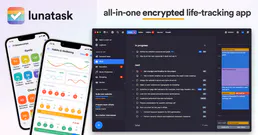
Lunatask
Manage tasks, habits, and notes via the Lunatask REST API (Encrypted Metadata Only).

airfocus
Prioritize your product roadmap, score features by impact, and align your team on what to build next with strategic clarity.

Kraken.io
Optimize, compress, and resize images via URL or direct upload using the Kraken.io API.
You might also like

CMO Marketing Prover
A CMO asked an AI for positioning. It said 'better and faster.' It proposes 'scale the ads' without a payback model. It trusts platform attribution 100%. It designs frictionless funnels that generate garbage leads. That is not marketing — that is a tactical wishlist. This tool forces five CMO-level marketing axes: category positioning, CAC payback physics, dark social attribution, intentional funnel friction, and budget allocation.

Breakthrough Ideation Prover
AI agents default to safe, obvious ideas or hallucinate impossible ones. This tool forces breakthrough ideation: challenge convention with facts, integrate real constraints, map a concrete roadmap, and prove feasibility for every blocker. Radical AND realizable.

Founder Vision Prover
A pitch deck said '1% of a $10B market' and 'run Facebook ads.' That is not a startup — that is a PowerPoint. This tool forces it to prove behavioral pain, calculate bottom-up TAM, show cohort retention, build a $0 CAC moat, and model unit economics that recycle capital in under 12 months.
