
Bring Omnichannel Retail
to Cursor
Create your Vinkius account to connect Extensiv to Cursor and start using all 10 AI tools in minutes. Fully managed, enterprise secure, and ready to use without writing a single line of code. No hosting, no server setup — just connect and start using.
 GDPR Free for Subscribers
Compatible with every major AI agent and IDE
 Gemini
What is the Extensiv MCP Server?
Connect your Extensiv (formerly Skubana) account to any AI agent and take full control of your omnichannel e-commerce operations and inventory management through natural conversation.
What you can do
- Order Orchestration — List and filter omnichannel orders to retrieve order numbers, statuses, channel mappings, and line items natively
- Inventory Auditing — Monitor current stock levels across all warehouses, including available, committed, on-order, and in-transit quantities
- Warehouse Management — Retrieve configurations for 3PL and in-house warehouses, identifying addresses and capability settings flawlessly
- Supply Chain Oversight — List purchase orders (POs) and track vendor shipments, expected delivery dates, and receiving statuses securely
- Product Master Data — Access core product details including SKUs, dimensions, weights, and costs to manage your catalog metadata
- Vendor & Brand Control — Manage supplier contact details, lead times, and payment terms, and list all product brands configured in the system
- Return & RMA Tracking — Monitor return merchandise authorizations with reason codes, status updates, and linked refund amounts in real-time
- Customer Intelligence — Retrieve customer profiles with shipping addresses and order history summaries to resolve inquiries limitlessly
How it works
- Subscribe to this server
- Enter your Extensiv API Access Token (obtained via OAuth or from your App details)
- Start managing your omnichannel operations from Claude, Cursor, or any MCP-compatible client
Who is this for?
- E-commerce Ops Managers — monitor inventory levels and track shipments across multiple channels using natural language
- Inventory Coordinators — audit warehouse stock and manage purchase orders without opening the Extensiv dashboard
- Customer Support Teams — quickly look up order statuses and customer histories to resolve inquiries in real-time
- Supply Chain Analysts — track vendor performance and monitor lead times through natural conversation
Built-in capabilities (10)
1/brands. Returns all product brands configured in the system with brand name and description. No parameters required. List Extensiv brands
1/customers with pagination. Returns customer profiles with name, email, phone, shipping address, and order history summary. List Extensiv customers
1/inventory with pagination. Returns current stock levels by warehouse and product, including available, committed, on-order, and in-transit quantities. List Extensiv inventory levels
1/orders with pagination. Returns orders with order number, status, channel, shipping address, line items, and fulfillment tracking. Pass limit to control page size (default 100). List Extensiv/Skubana orders
1/purchaseorders with pagination. Returns PO number, vendor, expected date, line items with SKU and quantity, and receiving status. List Extensiv purchase orders
1/products with pagination. Returns product master data including SKU, name, dimensions, weight, cost, and linked vendor information. List Extensiv products
1/rmas with pagination. Returns return merchandise authorizations with reason code, status, linked order, refund amount, and items being returned. List Extensiv returns (RMAs)
1/shipments with pagination. Returns shipment tracking details including carrier, tracking number, ship date, delivery status, and linked order references. List Extensiv shipments
1/vendors. Returns all configured vendors with name, contact details, lead time, currency, and payment terms. No parameters required. List Extensiv vendors/suppliers
1/warehouses. Returns all configured 3PL and in-house warehouses with name, address, type, and capability settings. No parameters required. List Extensiv warehouses
Why Cursor?
Cursor's Agent mode turns Extensiv into an in-editor superpower. Ask Cursor to generate code using live data from Extensiv and it fetches, processes, and writes. all in a single agentic loop. 10 tools appear alongside file editing and terminal access, creating a unified development environment grounded in real-time information.
- —
Agent mode turns Cursor into an autonomous coding assistant that can read files, run commands, and call MCP tools without switching context
- —
Cursor's Composer feature can generate entire files using real-time data fetched through MCP. no copy-pasting from external dashboards
- —
MCP tools appear alongside built-in tools like file reading and terminal access, creating a unified agentic environment
- —
VS Code extension compatibility means your existing workflow, keybindings, and extensions all work alongside MCP tools
Extensiv in Cursor
Why run Extensiv with Vinkius?
The Extensiv connection runs on our fully managed, secure cloud infrastructure. We handle the hosting, maintenance, and security so you don't have to deal with servers or code. All 10 tools are ready to work instantly without any complex setup.
You stay in complete control of your data. Your AI only accesses the information you approve, keeping your sensitive passwords and private details completely safe. Plus, with automatic optimizations, your AI works faster and more efficiently.
* Every connection is hosted and maintained by Vinkius. We handle the security, updates, and infrastructure so you don't have to write code or manage servers. See our infrastructure
Over 4,000 integrations ready for AI agents
Explore a vast library of pre-built integrations, optimized and ready to deploy.
Connect securely in under 30 seconds
Generate tokens to authenticate and link external services in a single step.
Complete visibility into every agent action
Audit live requests, latency, success rates, and active security compliance policies.
Optimize spending and track token ROI
Analyze real-time token consumption and cost metrics detailed by connection.
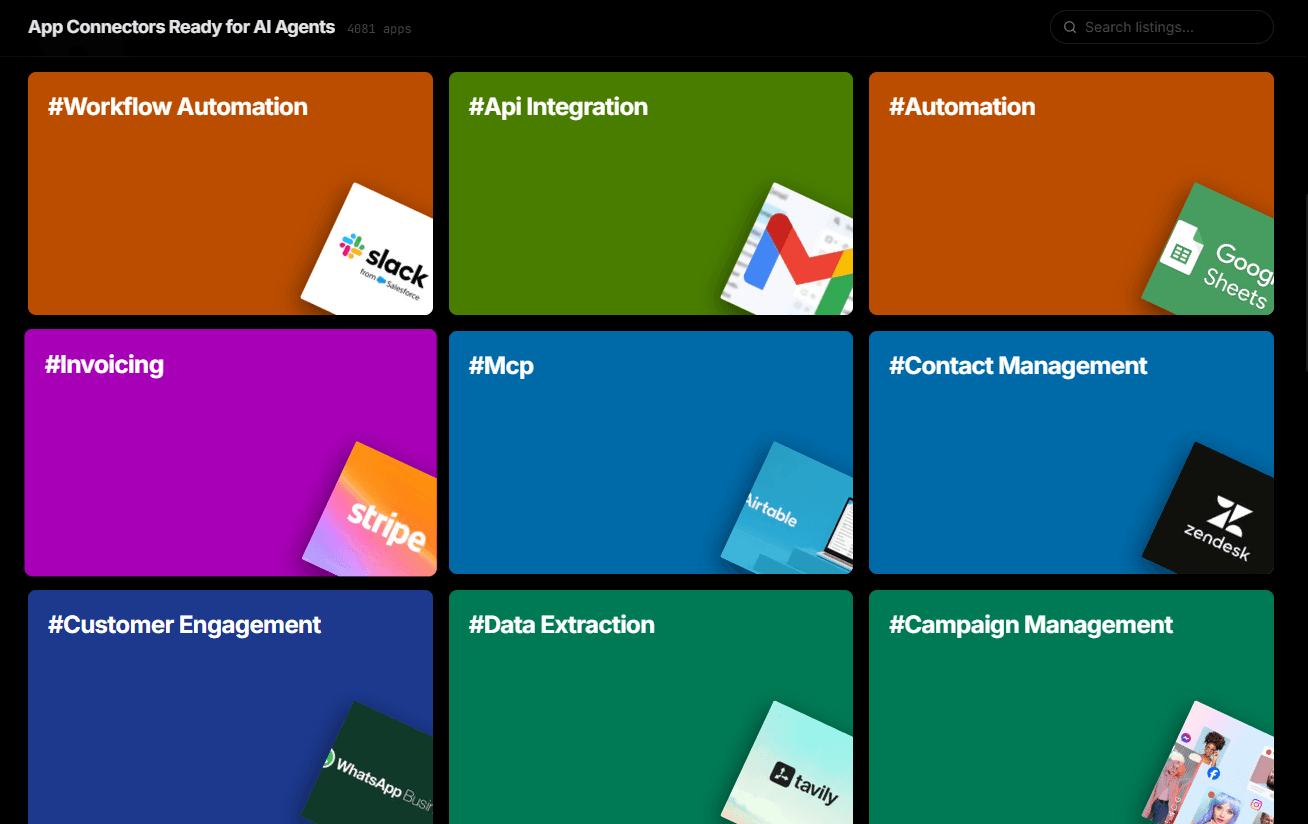
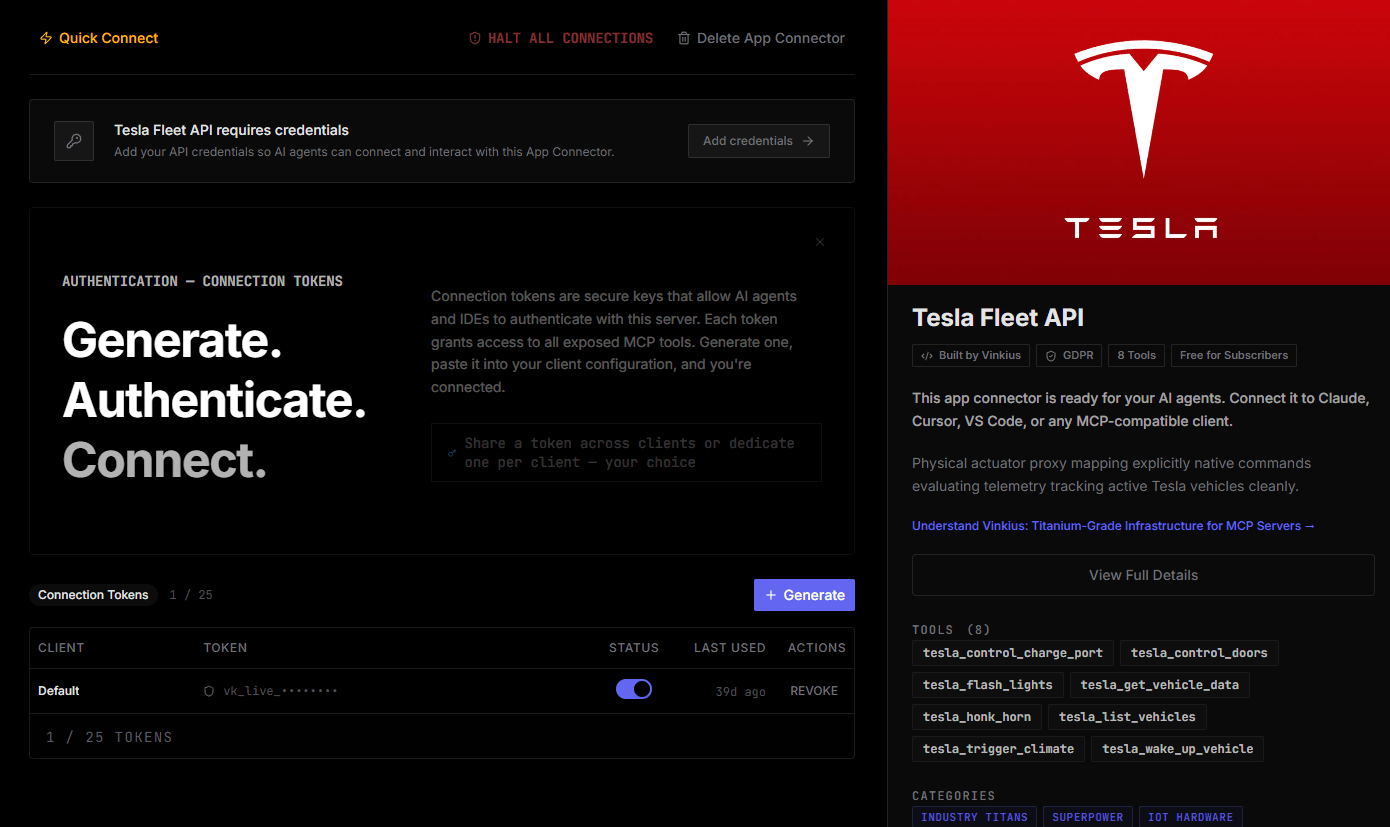
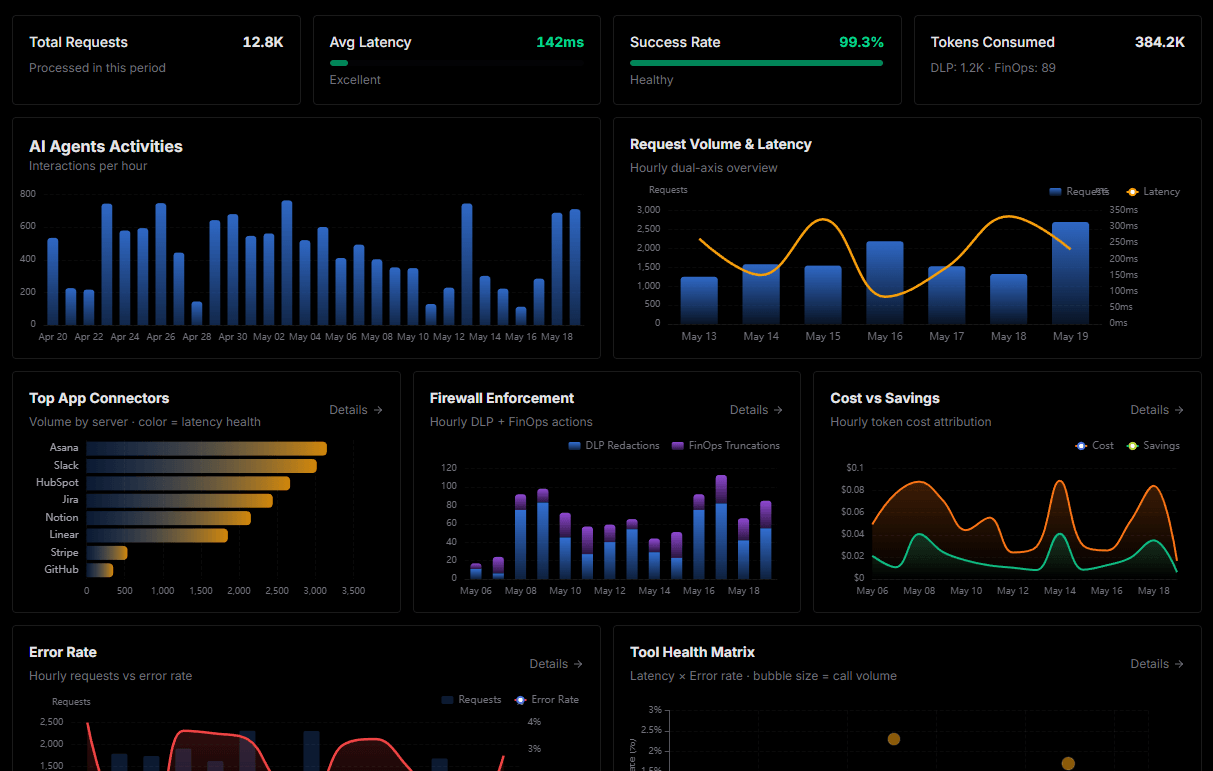
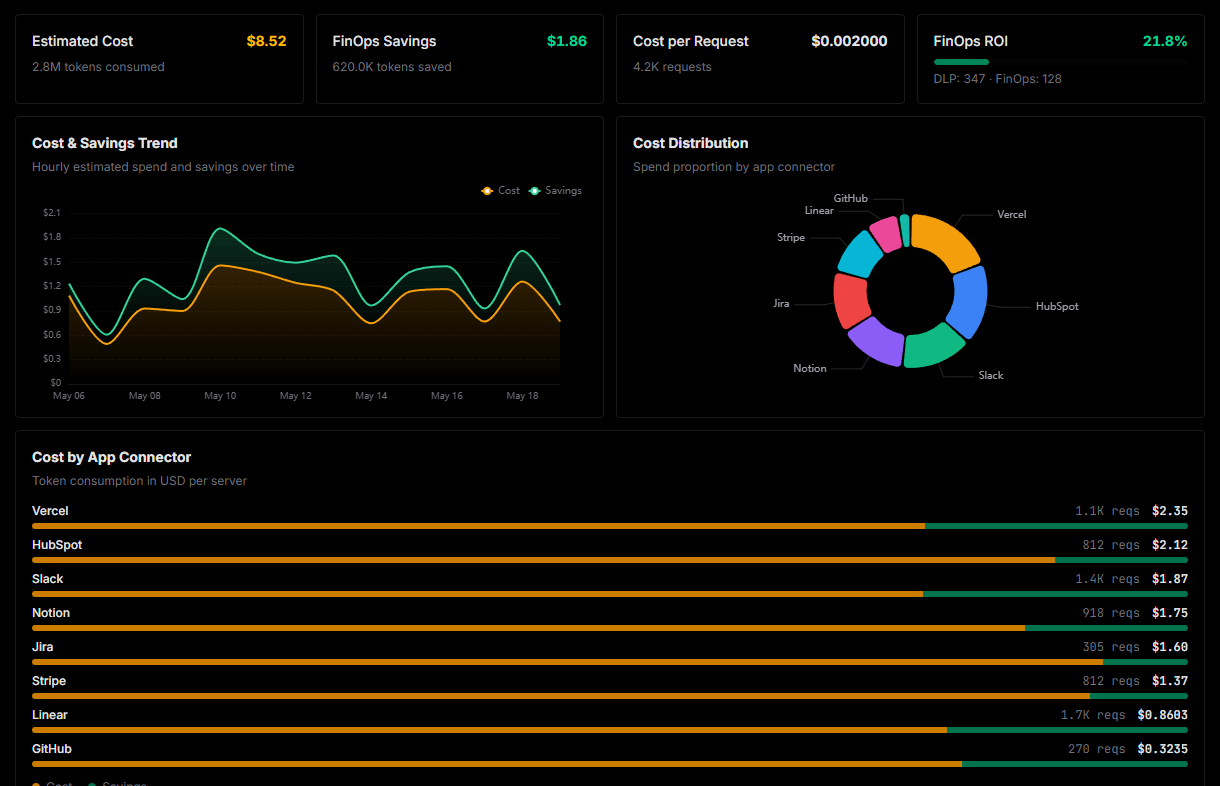
Explore our live AI Agents Analytics dashboard to see it all working
This dashboard is included when you connect Extensiv using Vinkius. You will never be left in the dark about what your AI agents are doing with your tools.
Extensiv and 4,000+ other AI tools. No hosting, no code, ready to use.
Professionals who connect Extensiv to Cursor through Vinkius don't need to write code, manage servers, or worry about security. Everything is pre-configured, secure, and runs automatically in the background.
Raw MCP | Vinkius | |
|---|---|---|
| Ready-to-use MCPs | Find and configure each manually | 4,000+ MCPs ready to use |
| Connection Setup | Manual coding & server setup | 1-click instant connection |
| Server Hosting | You host it yourself (needs 24/7 uptime) | 100% hosted & managed by Vinkius |
| Security & Privacy | Stored in plaintext config files | Bank-grade encrypted vault |
| Activity Visibility | Blind execution (no logs or tracking) | Live dashboard with real-time logs |
| Cost Control | Runaway AI token spend risk | Automatic budget limits |
| Revoking Access | Must delete files or code to stop | 1-click disconnect button |
How Vinkius secures
Extensiv for Cursor
Every request between Cursor and Extensiv is protected by our secure gateway. We automatically keep your sensitive data private, prevent unauthorized access, and let you disconnect instantly at any time.
Frequently asked questions
Can my agent list inventory levels across different warehouses?
Yes. Use the 'list_inventory' tool. The agent retrieves current stock levels by warehouse and product, including available, committed, and in-transit quantities natively.
How do I track a specific shipment through the agent?
Use the 'list_shipments' tool. Your agent will pull shipment tracking details including the carrier, tracking number, ship date, and delivery status for linked orders.
Can I audit purchase orders from my suppliers via chat?
Absolutely. The 'list_pos' tool retrieves PO numbers, vendor names, expected delivery dates, and line item details, allowing you to monitor your supply chain replenishment natively.
What is Agent mode and why does it matter for MCP?
Agent mode is Cursor's autonomous execution mode where the AI can perform multi-step tasks: reading files, editing code, running terminal commands, and calling MCP tools. Without Agent mode, Cursor operates in a simpler ask-and-answer mode that doesn't support tool calling. Always ensure you're in Agent mode when working with MCP servers.
Where does Cursor store MCP configuration?
Cursor looks for MCP server configurations in a mcp.json file. You can configure servers at the project level (.cursor/mcp.json in your project root) or globally (~/.cursor/mcp.json). Project-level configs take precedence.
Can Cursor use MCP tools in inline edits?
No. MCP tools are only available in Agent mode through the chat panel. Inline completions and Tab suggestions do not trigger MCP tool calls. This is by design. tool calls require user visibility and approval.
How do I verify MCP tools are loaded?
Open Settings → Features → MCP and look for your server name. A green indicator means the server is connected. You can also check Agent mode's available tools by clicking the tools dropdown in the chat panel.
Tools not appearing in Cursor
Ensure you are in Agent mode (not Ask mode). MCP tools only work in Agent mode.
Server shows as disconnected
Check Settings → Features → MCP and verify the server status. Try clicking the refresh button.
Explore More MCP Servers
View all →
Traefik Hub
8 toolsCloud-native API Management & Gateway evaluating proxy topologies explicitly running Kubernetes integrations.

TheFork
10 toolsDiscover, book, and manage restaurant reservations across Europe — search by location, cuisine, and availability through natural AI conversation.

Amazon CloudWatch Log Group
1 toolsThis MCP does exactly one thing: it queries logs from a single CloudWatch Log Group. That's its only function, and nothing else. Incredible for giving your AI secure observability.

New Relic
10 toolsMonitor and query your entire stack via New Relic NerdGraph — track entities, NRQL, and alerts directly from your AI agent.