
Bring Silo Monitoring
to VS Code Copilot
Create your Vinkius account to connect GrainSure to VS Code Copilot and start using all 12 AI tools in minutes. Fully managed, enterprise secure, and ready to use without writing a single line of code. No hosting, no server setup — just connect and start using.
 GDPR Free for Subscribers
Compatible with every major AI agent and IDE
 Gemini
What is the GrainSure MCP Server?
Connect your GrainSure Silo Monitoring API to any AI agent and take full control of real-time grain fill level tracking, usage rate analysis, predictive days-to-empty forecasting, and automated delivery management through natural conversation.
What you can do
- Silo Management — List and manage all grain silos with current fill levels, grain types, and monitoring status
- Real-Time Fill Levels — Get current grain fill percentage and remaining tonnes for each silo
- Usage Tracking — Monitor historical grain consumption rates and identify usage trends
- Days to Empty — Get AI-predicted days until each silo runs empty based on current usage patterns
- Fill Level History — Track how fill levels have changed over time for delivery effectiveness analysis
- Low Stock Alerts — Receive automated alerts when silo levels drop below configured thresholds
- Delivery Orders — Create and manage grain delivery orders for timely inventory replenishment
- Order History — Track past deliveries, quantities, and supplier performance
- Sensor Health — Monitor IoT sensor battery levels, signal strength, and calibration status
- Farm Overview — Get comprehensive farm-wide inventory summaries for executive reporting
- Silo Settings — Customize alert thresholds, grain types, and usage rate assumptions
How it works
- Subscribe to this server
- Enter your GrainSure API key and base URL (from your platform dashboard)
- Start monitoring silo levels from Claude, Cursor, or any MCP-compatible client
No more climbing silos to check fill levels or guessing when to order more grain. Your AI acts as a dedicated silo inventory analyst and supply chain assistant.
Who is this for?
- Farmers — monitor grain levels remotely, predict when silos will run empty, and plan deliveries proactively
- Feed Managers — track consumption rates, manage multiple silos, and prevent stock-outs
- Supply Chain Coordinators — optimize delivery timing, manage suppliers, and reduce emergency orders
- Agricultural Consultants — provide data-driven feed management recommendations to clients
Built-in capabilities (12)
Accepts delivery quantity (tonnes), preferred delivery date, supplier information, and any special instructions. Returns order confirmation with order ID, estimated delivery date, and tracking information. Essential for proactive inventory replenishment, automated ordering based on predictions, and supply chain management. AI agents should use this when users ask "order 20 tonnes of wheat for silo 3", "schedule a delivery for silo 5 next week", or need to place delivery orders based on low stock predictions. Create a new grain delivery order for a specific silo
Returns fill percentage, remaining tonnes, current level height, and last update timestamp. Essential for real-time inventory tracking, delivery planning, and stock management. AI agents should use this when users ask "what is the current fill level in silo 2", "how much grain is left in silo 4", or need immediate stock level data for feed planning and delivery decisions. Get real-time grain fill level for a specific silo
Returns estimated days to empty, predicted empty date, confidence score, and usage rate assumptions. Essential for proactive delivery planning, preventing stock-outs, and optimizing supply chain timing. AI agents should use this when users ask "when will silo 3 run empty", "how many days of feed are left in silo 5", or need predictive supply data for delivery scheduling. Get AI-predicted days until a silo runs empty based on current usage patterns
Essential for executive reporting, farm-wide inventory assessment, and strategic supply planning. AI agents should use this when users ask "give me an overview of all my silos", "what is the total grain inventory across the farm", or need farm-level summaries for management reporting. Get comprehensive overview of all monitored silos on the farm
Returns time-series fill percentage data with timestamps showing how stock levels have changed over time. Essential for fill trend analysis, delivery effectiveness assessment, and consumption pattern identification. AI agents should use this when users ask "show me fill level trends for silo 1 over the past 60 days", "has silo 2 been filling or depleting", or need historical fill data for inventory management. Optional days parameter controls lookback period. Get historical fill level readings for a specific silo
Returns alert severity (critical, warning, info), affected silo, current fill percentage, threshold level, timestamp, and recommended actions. Essential for proactive inventory management, preventing stock-outs, and timely delivery ordering. AI agents should use this when users ask "show me all low stock alerts", "is silo 3 running low", or need alert data for inventory monitoring. Optional silo_id filters alerts for a specific silo. Get low stock alerts for silos or a specific silo
Essential for delivery tracking, supplier performance assessment, and inventory replenishment planning. AI agents should reference this when users ask "show me delivery history for silo 2", "when was the last delivery to silo 4", or need order data for supply chain analysis. Get delivery order history for a specific silo
Returns sensor battery level, signal strength, last communication time, calibration status, and operational status (active, low battery, offline, needs calibration). Essential for sensor maintenance, data continuity assurance, and monitoring system reliability. AI agents should reference this when users ask "is the sensor working in silo 5", "does silo 3 need sensor calibration", or need sensor health data for system administration. Get health status of the level monitoring sensor for a specific silo
Essential for understanding silo context before analyzing usage data, planning deliveries, or generating inventory reports. AI agents should reference this when users ask "tell me about silo 3", "what grain is stored in silo 5", or need detailed silo metadata for informed decisions. Get detailed information about a specific grain silo
Returns silo IDs, names, locations, grain types, current fill levels, and monitoring status. Essential for farm overview, silo inventory management, and selecting specific silos for detailed analysis. AI agents should use this when users ask "show me all my silos", "list monitored storage units", or need to identify available silos before querying fill levels or usage data. List all grain silos monitored by GrainSure
Returns time-series usage data (tonnes per day/week) with timestamps. Essential for consumption trend analysis, feed rate calculation, and delivery timing optimization. AI agents should reference this when users ask "show me grain usage trends for silo 3", "what is the daily consumption rate for silo 5", or need historical usage data for feed planning and inventory forecasting. Optional days parameter controls lookback period. Get historical grain usage data for a specific silo
Essential for customizing monitoring behavior, adjusting alert sensitivity, and maintaining accurate silo profiles. AI agents should use this when users ask "change the low stock threshold for silo 3 to 20 percent", "update silo 5 grain type to barley", or need to modify silo monitoring configuration. Update silo monitoring settings including alert thresholds and grain type
Why VS Code Copilot?
GitHub Copilot Agent mode brings GrainSure data directly into your VS Code workflow. With a project-scoped config, the entire team shares access to 12 tools. Copilot queries live data, generates typed code, and writes tests from actual API responses, all without leaving the editor.
- —
VS Code is used by over 70% of developers. adding MCP tools to Copilot means your team can leverage external data without leaving their primary editor
- —
Project-scoped MCP configs (
.vscode/mcp.json) let you commit server configurations to your repository, ensuring the entire team shares the same tool access - —
Copilot's Agent mode integrates MCP tools seamlessly with file editing, terminal commands, and workspace search in a single agentic loop
- —
GitHub's enterprise compliance and audit features extend to MCP tool usage, providing visibility into how AI interacts with external services
GrainSure in VS Code Copilot
Why run GrainSure with Vinkius?
The GrainSure connection runs on our fully managed, secure cloud infrastructure. We handle the hosting, maintenance, and security so you don't have to deal with servers or code. All 12 tools are ready to work instantly without any complex setup.
You stay in complete control of your data. Your AI only accesses the information you approve, keeping your sensitive passwords and private details completely safe. Plus, with automatic optimizations, your AI works faster and more efficiently.
* Every connection is hosted and maintained by Vinkius. We handle the security, updates, and infrastructure so you don't have to write code or manage servers. See our infrastructure
Over 4,000 integrations ready for AI agents
Explore a vast library of pre-built integrations, optimized and ready to deploy.
Connect securely in under 30 seconds
Generate tokens to authenticate and link external services in a single step.
Complete visibility into every agent action
Audit live requests, latency, success rates, and active security compliance policies.
Optimize spending and track token ROI
Analyze real-time token consumption and cost metrics detailed by connection.
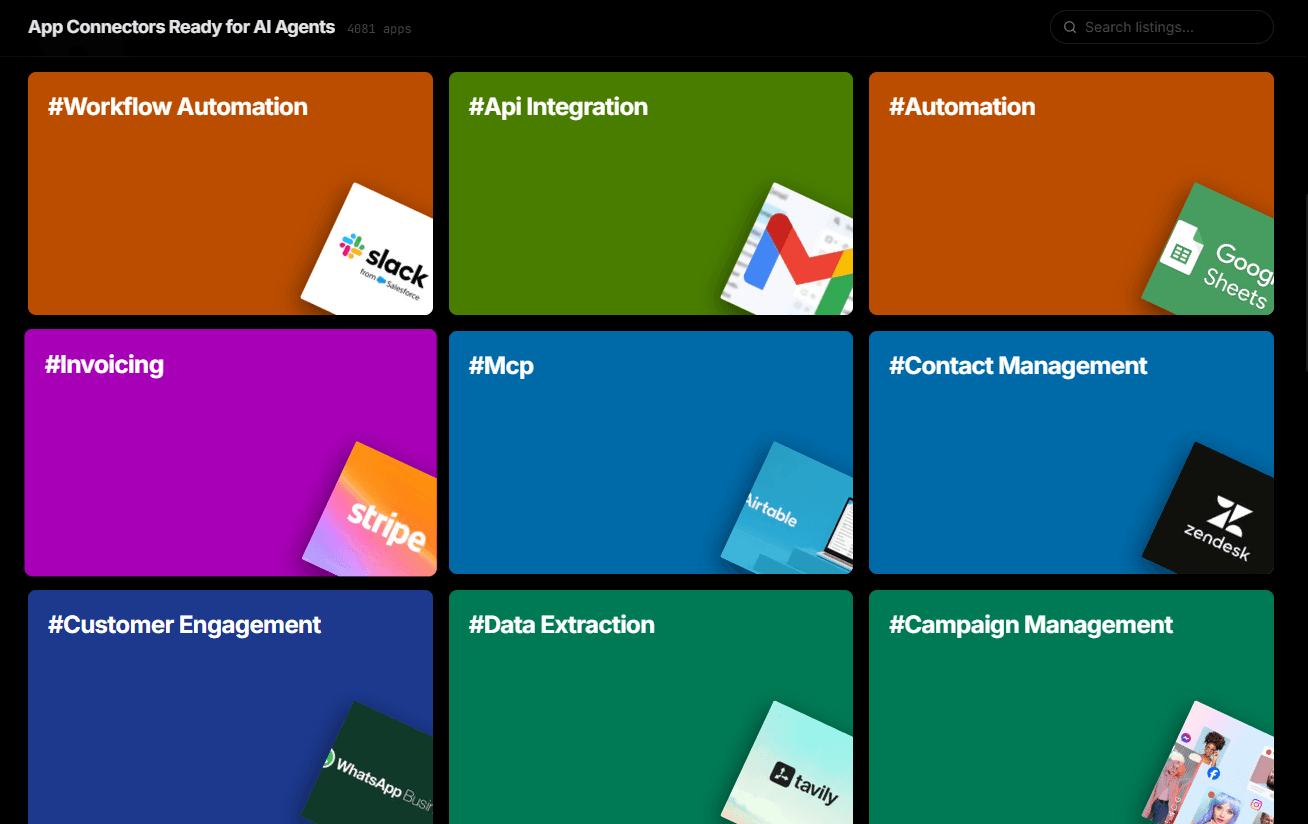
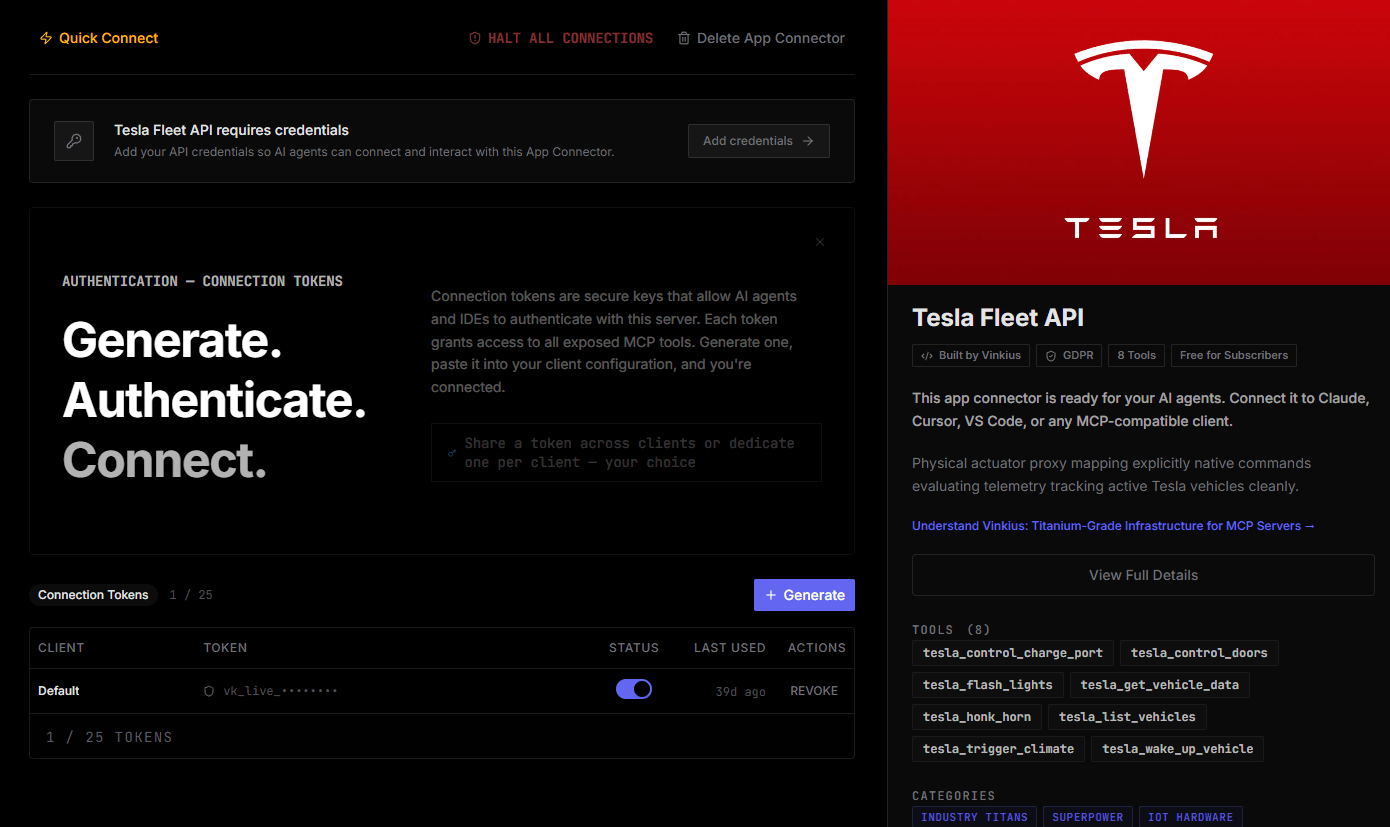
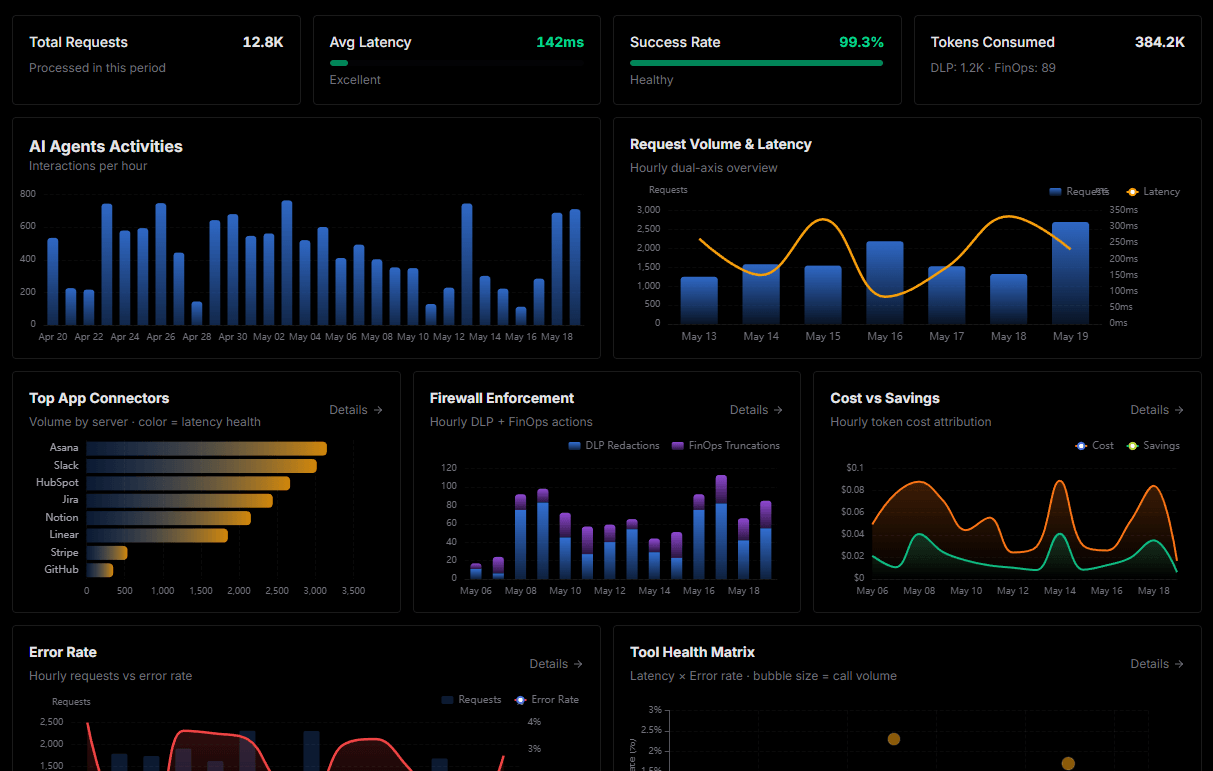
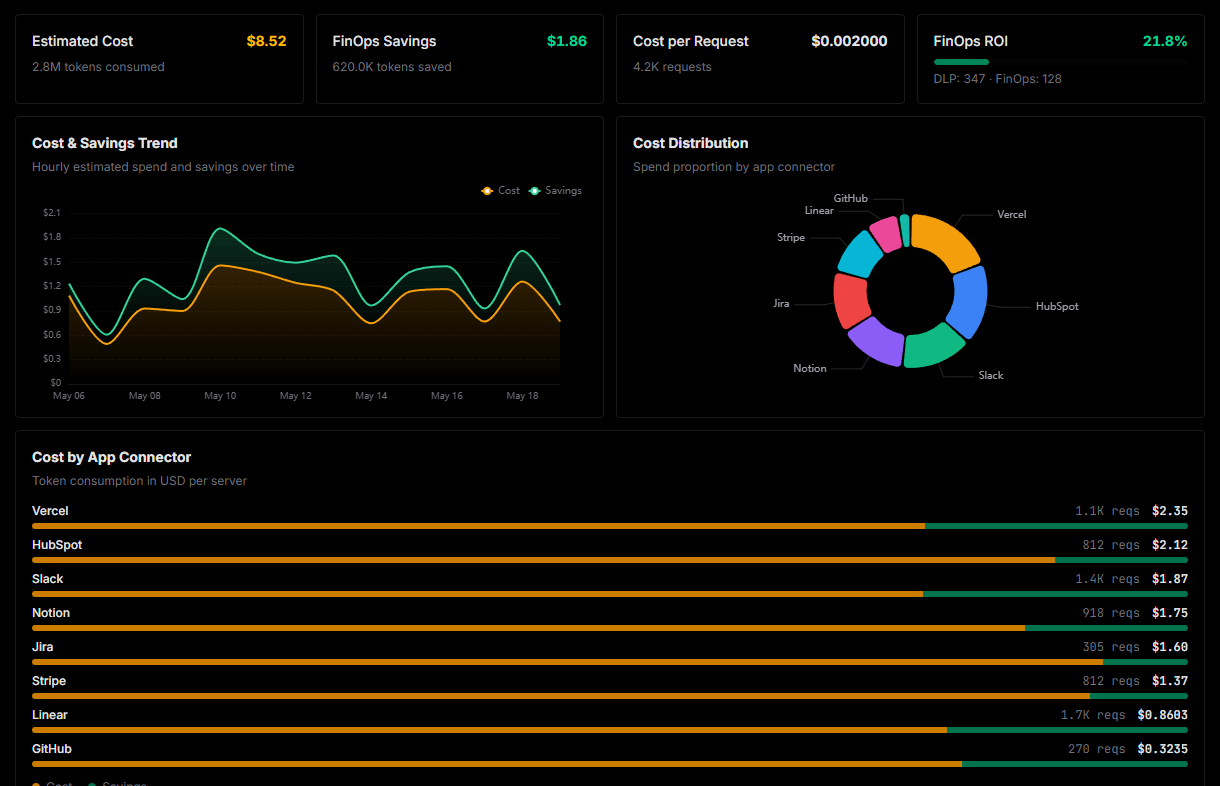
Explore our live AI Agents Analytics dashboard to see it all working
This dashboard is included when you connect GrainSure using Vinkius. You will never be left in the dark about what your AI agents are doing with your tools.
GrainSure and 4,000+ other AI tools. No hosting, no code, ready to use.
Professionals who connect GrainSure to VS Code Copilot through Vinkius don't need to write code, manage servers, or worry about security. Everything is pre-configured, secure, and runs automatically in the background.
Raw MCP | Vinkius | |
|---|---|---|
| Ready-to-use MCPs | Find and configure each manually | 4,000+ MCPs ready to use |
| Connection Setup | Manual coding & server setup | 1-click instant connection |
| Server Hosting | You host it yourself (needs 24/7 uptime) | 100% hosted & managed by Vinkius |
| Security & Privacy | Stored in plaintext config files | Bank-grade encrypted vault |
| Activity Visibility | Blind execution (no logs or tracking) | Live dashboard with real-time logs |
| Cost Control | Runaway AI token spend risk | Automatic budget limits |
| Revoking Access | Must delete files or code to stop | 1-click disconnect button |
How Vinkius secures
GrainSure for VS Code Copilot
Every request between VS Code Copilot and GrainSure is protected by our secure gateway. We automatically keep your sensitive data private, prevent unauthorized access, and let you disconnect instantly at any time.
Frequently asked questions
Can my AI predict when my silo will run empty based on current usage?
Yes! Use the get_days_to_empty tool with your silo ID. GrainSure AI analyzes current fill levels and historical usage patterns to predict exactly how many days until the silo runs empty, with a confidence score. For deeper analysis, combine with get_usage_history to see the consumption trends that drive the prediction. This gives you proactive warning to schedule deliveries before running out.
How do I set up low stock alerts for my silos?
Use the update_silo_settings tool to configure your low stock threshold percentage (e.g., 20% means alert when silo drops below 20% full). Then use get_low_stock_alerts to check for any active alerts. GrainSure will automatically monitor fill levels and trigger alerts when thresholds are breached, giving you timely warning to plan deliveries.
Can I create a delivery order directly through the API?
Yes! Use the create_delivery_order tool with the silo ID, quantity in tonnes, and optionally a preferred delivery date and supplier. The API will confirm your order with an order ID and estimated delivery date. You can also use get_days_to_empty predictions to automatically trigger orders when silos reach critical levels.
Which VS Code version supports MCP?
MCP support requires VS Code 1.99 or later with the GitHub Copilot extension. Ensure both are updated to the latest version. Older versions of Copilot may not expose the Agent mode toggle.
How do I switch to Agent mode?
Open the Copilot Chat panel and look for two mode options: "Ask" and "Agent". Click "Agent" to enable autonomous tool calling. In Ask mode, Copilot provides conversational answers but cannot invoke MCP tools.
Can I restrict which MCP tools Copilot can access?
Yes. VS Code shows a tool consent dialog before any MCP tool is invoked for the first time. You can also configure tool access policies at the organization level through GitHub Copilot settings.
Does MCP work in VS Code Remote or Codespaces?
Yes. MCP servers configured via .vscode/mcp.json work in Remote SSH, WSL, and GitHub Codespaces environments. The MCP connection is established from the remote host, so ensure the server URL is accessible from that environment.
MCP tools not available
Ensure you are in Agent mode in Copilot Chat. MCP tools only appear in Agent mode.
Explore More MCP Servers
View all →
RunPod
7 toolsIntegrate your AI securely to RunPod to cleanly quickly provision scalable GPU pods, manage active instances, and inspect serverless endpoints and custom templates natively.

Loopio
8 toolsConnect your Loopio RFP platform to AI — search approved answers, manage proposal projects, and automate questionnaire responses naturally via chat.

IBAN Bank Validator
1 toolsValidate international bank accounts instantly using Modulus 97 checksums. Prevent failed transactions with 100% local precision.

EIA State Energy — U.S. Regional Energy Data
3 toolsState-level energy data spanning 65 years: production, consumption, prices, and expenditures for ALL energy sources by state and sector (SEDS), the comprehensive Monthly Energy Review (MER), and nuclear reactor outage tracking.