
Bring Whiteboarding
to Claude Code
Create your Vinkius account to connect Miro to Claude Code and start using all 14 AI tools in minutes. Fully managed, enterprise secure, and ready to use without writing a single line of code. No hosting, no server setup — just connect and start using.
 GDPR Free for Subscribers
Compatible with every major AI agent and IDE
 Gemini
What is the Miro MCP Server?
Connect your Miro account to any AI agent and take full control of your visual collaboration through natural conversation.
What you can do
- Board Management — List, create, update and inspect boards with their descriptions, owners and permissions
- Item Operations — Browse all widgets on a board (sticky notes, cards, shapes, texts, connectors, images) with their content and positions
- Content Creation — Create sticky notes and cards programmatically with custom content and canvas positions
- Member Management — List board members and add new users with specific roles (owner, admin, editor, commenter, viewer)
- Comments — Read and add comments on boards for async collaboration feedback
How it works
- Subscribe to this server
- Enter your Miro Access Token (OAuth 2.0 or Personal Access Token)
- Start managing your visual workspace from Claude, Cursor, or any MCP-compatible client
No more switching to the Miro app to check board content or add a quick sticky note. Your AI acts as a dedicated visual collaboration assistant.
Who is this for?
- Product Managers — quickly review board contents, add meeting notes as sticky notes and track team feedback without opening Miro
- Designers — audit board items, review card contents and manage board membership for design reviews
- Team Leads — monitor collaboration activity, review comments and ensure proper board access for team members
Built-in capabilities (14)
Requires the board ID and user ID. Optionally set the role (owner, admin, editor, commenter, viewer). The user must already have a Miro account. Add a member to a Miro board
Requires the board name and optionally a description. Returns the created board with its ID, view link and edit link. Create a new Miro board
Requires the board ID and card title. Optionally set a description and x,y position. Cards are structured content widgets with title and description fields. Create a card widget on a Miro board
Requires the board ID and comment content. Optionally reply to an existing comment by providing its ID as parent_id. Add a comment to a Miro board
Requires the board ID and the sticky note content (text). Optionally set the x,y position on the canvas. Returns the created sticky note with its ID and position. Create a sticky note on a Miro board
Provide the board ID and item ID. WARNING: this action is irreversible. Delete an item from a Miro board
Provide the board ID (found in the board URL or from list_boards). Get details for a specific Miro board
Provide the board ID and item ID. Get details for a specific item on a Miro board
Returns user ID, name, email, avatar and account type. Use this to verify your access token is working correctly and to see which user identity the API calls will appear as. Get the authenticated Miro user context
) placed on a Miro board. Each item includes its type, ID, content, position, rotation, size and style. Optionally filter by item type (sticky_note, card, shape, text, connector, image, embed, frame, document, mind_map) and set a limit. List items (widgets) on a Miro board
Each member shows their user ID, name, email, role (owner, admin, editor, commenter, viewer) and permission level. Optionally set a limit. List members of a Miro board
Each board includes its ID, name, description, creation date, owner and permissions. Optionally set a limit on the number of results. Use this to discover boards before accessing their content. List Miro boards accessible by the user
Each comment includes its ID, content text, author info, creation date and parent comment ID (for replies). Optionally set a limit. List comments on a Miro board
Provide the board ID and the new name and/or description. Only provided fields will be updated. Update a Miro board name or description
Why Claude Code?
Claude Code registers Miro as an MCP server in a single terminal command. Once connected, Claude Code discovers all 14 tools at runtime and can call them headlessly. ideal for CI/CD pipelines, cron jobs, and automated workflows where Miro data drives decisions without human intervention.
- —
Single-command setup:
claude mcp addregisters the server instantly. no config files to edit or applications to restart - —
Terminal-native workflow means MCP tools integrate seamlessly into shell scripts, CI/CD pipelines, and automated DevOps tasks
- —
Claude Code runs headlessly, enabling unattended batch processing using Miro tools in cron jobs or deployment scripts
- —
Built by the same team that created the MCP protocol, ensuring first-class compatibility and the fastest adoption of new protocol features
Miro in Claude Code
Why run Miro with Vinkius?
The Miro connection runs on our fully managed, secure cloud infrastructure. We handle the hosting, maintenance, and security so you don't have to deal with servers or code. All 14 tools are ready to work instantly without any complex setup.
You stay in complete control of your data. Your AI only accesses the information you approve, keeping your sensitive passwords and private details completely safe. Plus, with automatic optimizations, your AI works faster and more efficiently.
* Every connection is hosted and maintained by Vinkius. We handle the security, updates, and infrastructure so you don't have to write code or manage servers. See our infrastructure
Over 4,000 integrations ready for AI agents
Explore a vast library of pre-built integrations, optimized and ready to deploy.
Connect securely in under 30 seconds
Generate tokens to authenticate and link external services in a single step.
Complete visibility into every agent action
Audit live requests, latency, success rates, and active security compliance policies.
Optimize spending and track token ROI
Analyze real-time token consumption and cost metrics detailed by connection.
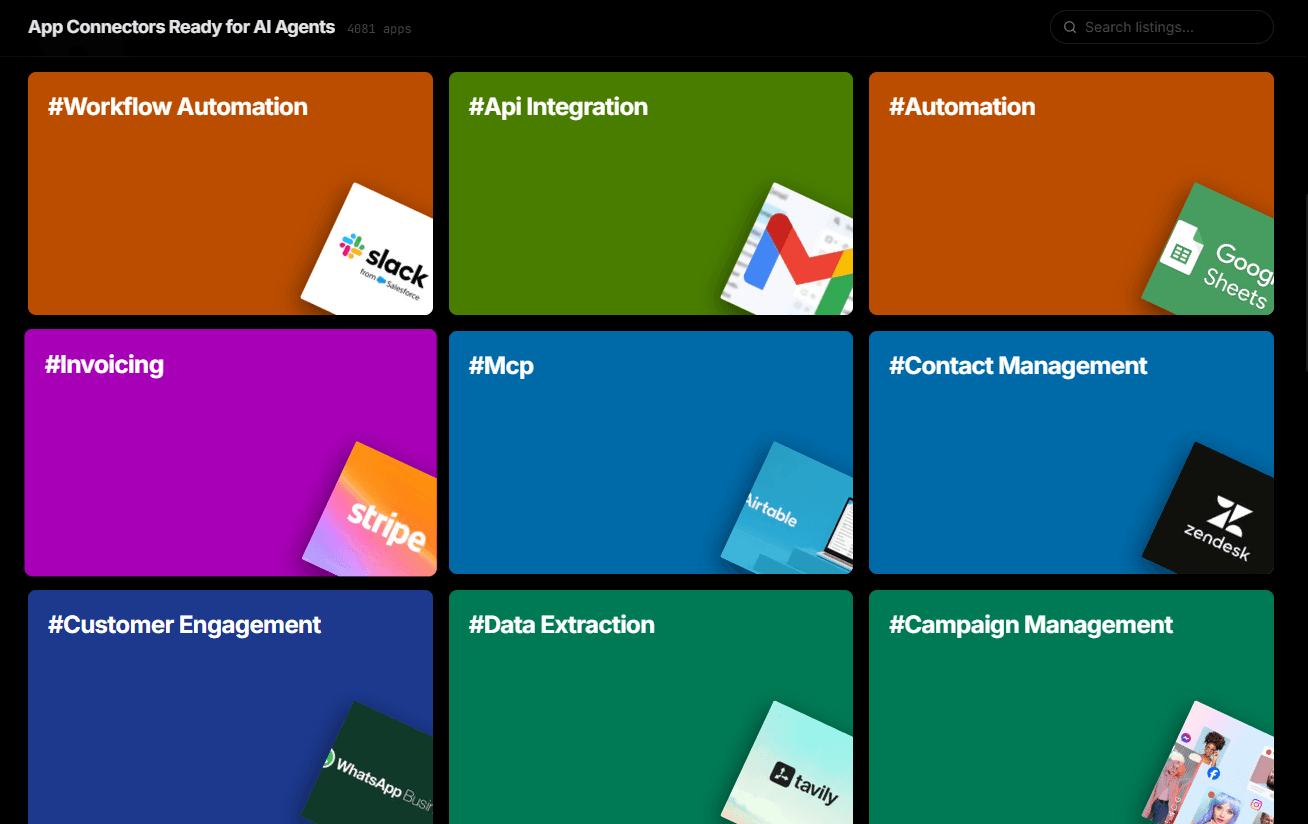
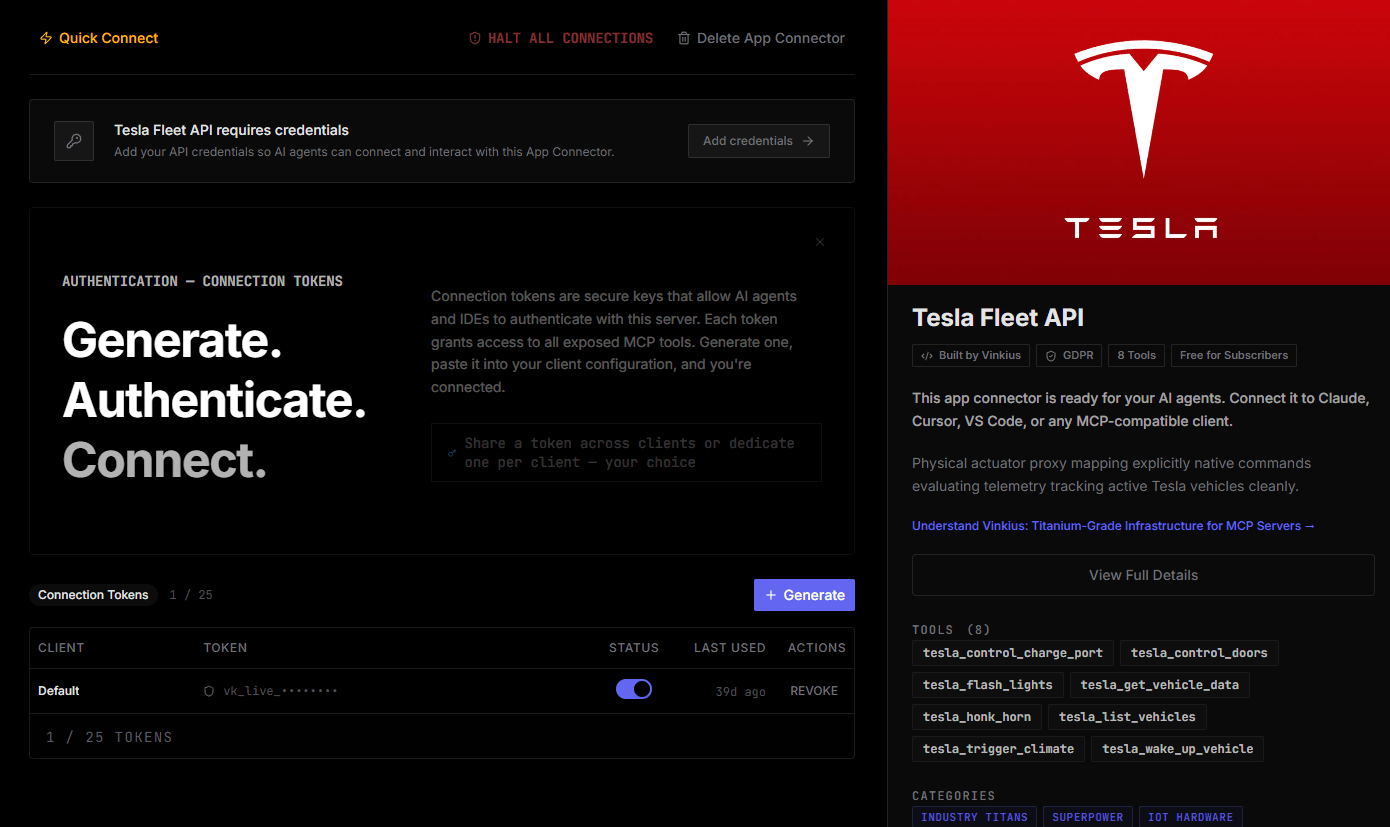
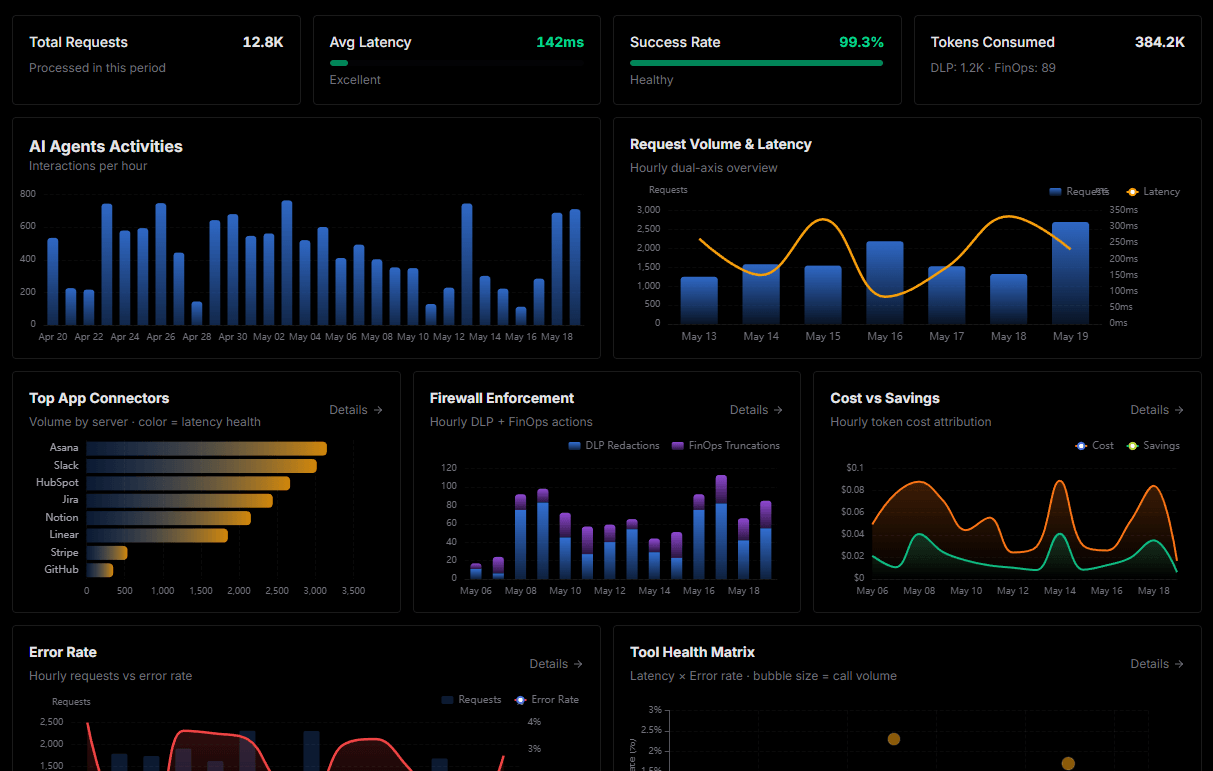
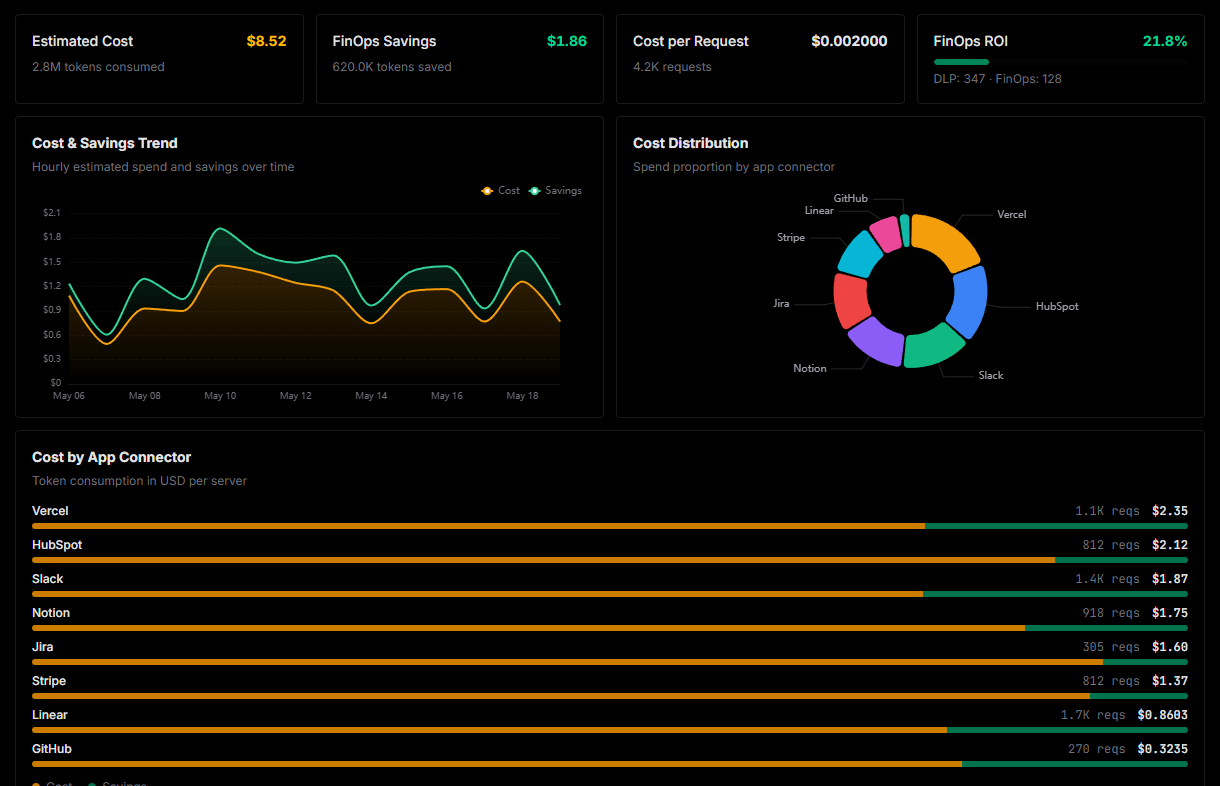
Explore our live AI Agents Analytics dashboard to see it all working
This dashboard is included when you connect Miro using Vinkius. You will never be left in the dark about what your AI agents are doing with your tools.
Miro and 4,000+ other AI tools. No hosting, no code, ready to use.
Professionals who connect Miro to Claude Code through Vinkius don't need to write code, manage servers, or worry about security. Everything is pre-configured, secure, and runs automatically in the background.
Raw MCP | Vinkius | |
|---|---|---|
| Ready-to-use MCPs | Find and configure each manually | 4,000+ MCPs ready to use |
| Connection Setup | Manual coding & server setup | 1-click instant connection |
| Server Hosting | You host it yourself (needs 24/7 uptime) | 100% hosted & managed by Vinkius |
| Security & Privacy | Stored in plaintext config files | Bank-grade encrypted vault |
| Activity Visibility | Blind execution (no logs or tracking) | Live dashboard with real-time logs |
| Cost Control | Runaway AI token spend risk | Automatic budget limits |
| Revoking Access | Must delete files or code to stop | 1-click disconnect button |
How Vinkius secures
Miro for Claude Code
Every request between Claude Code and Miro is protected by our secure gateway. We automatically keep your sensitive data private, prevent unauthorized access, and let you disconnect instantly at any time.
Frequently asked questions
How do I get a Miro Access Token?
Go to Miro Developer Portal, create an app, and generate a Personal Access Token (PAT) or set up OAuth 2.0. PATs are simpler for personal use — go to your app settings and create a token under 'Personal Access Tokens'. Copy it immediately as it won't be shown again.
Can I create sticky notes programmatically?
Yes! Use create_sticky_note with the board ID and content text. Optionally set x,y coordinates on the canvas for precise positioning. The sticky note will appear on the board immediately and all collaborators will see it in real-time.
Can I manage board members via the API?
Yes! Use list_board_members to see who has access and their roles, and add_board_member to grant access to new users with a specific role (owner, admin, editor, commenter, viewer). The user must already have a Miro account.
Can I filter board items by type?
Yes! Use list_board_items with the type parameter to filter by: sticky_note, card, shape, text, connector, image, embed, frame, document, or mind_map. This is useful for finding specific widget types without loading all board content.
How do I add an MCP server to Claude Code?
Run claude mcp add <name> --transport http "<url>" in your terminal. Claude Code registers the server and discovers all tools immediately.
Can Claude Code run MCP tools in headless mode?
Yes. Claude Code supports non-interactive execution, making it ideal for scripts, cron jobs, and CI/CD pipelines that need MCP tool access.
How do I list all connected MCP servers?
Run claude mcp in your terminal to see all registered servers and their status, or type /mcp inside an active Claude Code session.
Command not found: claude
Ensure Claude Code is installed globally: npm install -g @anthropic-ai/claude-code
Connection timeout
Check your internet connection and verify the Edge URL is reachable
Explore More MCP Servers
View all →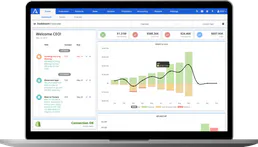
ApparelMagic
10 toolsERP, PLM, and CRM for the apparel industry — manage styles, orders, inventory, and shipments via AI.

Deepgram
10 toolsPower audio AI via Deepgram — perform high-speed speech-to-text, generate lifelike text-to-speech, track usage, and manage API keys directly from any AI agent.

Fxiaoke
10 toolsLeading sales management and CRM platform in China — manage leads, opportunities, and approvals via AI.
AdRoll
5 toolsE-commerce marketing and retargeting — manage campaigns, ads, and performance via AI.