
Bring Webhooks
to Claude Code
Learn how to connect Zapier Webhook Trigger to Claude Code and start using 1 AI agent tools in minutes. Fully managed, enterprise secure, and ready to use without writing a single line of code.
 GDPR Free for Subscribers
Compatible with every major AI agent and IDE
 Gemini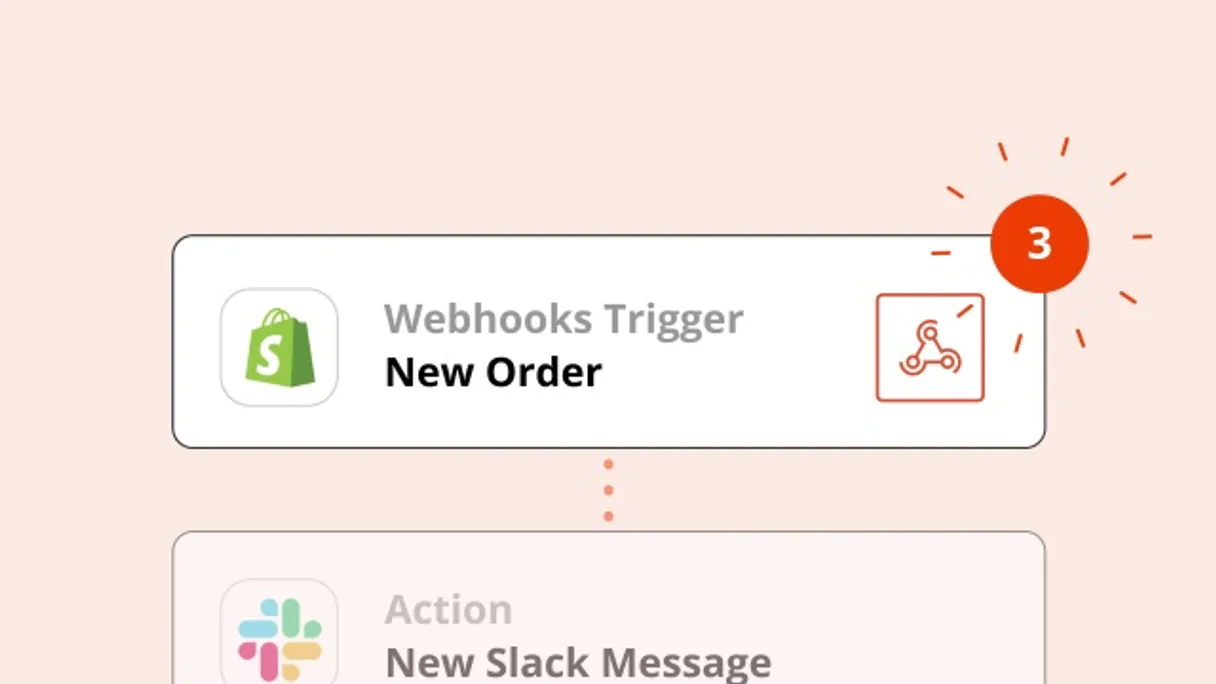
What is the Zapier Webhook Trigger MCP Server?
We refused to build thousands of individual MCP integrations for every SaaS app in the world. Instead, this MCP server provides a universal, zero-trust bridge to Zapier: just triggering a Catch Hook.
Your AI agent gains the immediate, zero-friction ability to kick off complex workflows—like generating contracts, issuing invoices, or adding contacts to CRMs—by simply dumping a structured JSON payload into a Zap.
The Superpowers
- The Ultimate Joker Card: Why code a custom API integration when you can just build a Zap? The agent sends the data, and Zapier does the visual routing to over 7,000+ apps.
- Zero-Bloat Integration: No massive SDKs. It uses a direct
POSTfetch to your specific Zapier Webhook URL. You just provide the URL and the AI provides the JSON. - Absolute Containment: Because this is strictly a sending tool (Push only), the agent cannot read your Zapier account, cannot edit your Zaps, and cannot access other webhooks. It is a secure, one-way trigger.
Built-in capabilities (1)
Provide the data you want to send in the "payloadJson" parameter as a valid JSON string. The Zap will receive this data and process it. Send a JSON payload to a Zapier Webhook (Catch Hook) to trigger an automation Zap
Why Claude Code?
Claude Code registers Zapier Webhook Trigger as an MCP server in a single terminal command. Once connected, Claude Code discovers all 1 tools at runtime and can call them headlessly. ideal for CI/CD pipelines, cron jobs, and automated workflows where Zapier Webhook Trigger data drives decisions without human intervention.
- —
Single-command setup:
claude mcp addregisters the server instantly. no config files to edit or applications to restart - —
Terminal-native workflow means MCP tools integrate seamlessly into shell scripts, CI/CD pipelines, and automated DevOps tasks
- —
Claude Code runs headlessly, enabling unattended batch processing using Zapier Webhook Trigger tools in cron jobs or deployment scripts
- —
Built by the same team that created the MCP protocol, ensuring first-class compatibility and the fastest adoption of new protocol features
Zapier Webhook Trigger in Claude Code
Zapier Webhook Trigger and 4,000+ other MCP servers. One platform. One governance layer.
Teams that connect Zapier Webhook Trigger to Claude Code through Vinkius don't need to source, host, or maintain individual MCP servers. Every tool call runs inside a hardened runtime with credential isolation, DLP, and a signed audit chain.
Raw MCP | Vinkius | |
|---|---|---|
| Server catalog | Find and host yourself | 4,000+ managed |
| Infrastructure | Self-hosted | Sandboxed V8 isolates |
| Credential handling | Plaintext in config | Vault + runtime injection |
| Data loss prevention | None | Configurable DLP policies |
| Kill switch | None | Global instant shutdown |
| Financial circuit breakers | None | Per-server limits + alerts |
| Audit trail | None | Ed25519 signed logs |
| SIEM log streaming | None | Splunk, Datadog, Webhook |
| Honeytokens | None | Canary alerts on leak |
| Custom domains | Not applicable | DNS challenge verified |
| GDPR compliance | Manual effort | Automated purge + export |
Why teams choose Vinkius for Zapier Webhook Trigger in Claude Code
The Zapier Webhook Trigger MCP Server runs on Vinkius-managed infrastructure inside AWS — a purpose-built runtime with per-request V8 isolates, Ed25519 signed audit chains, and sub-40ms cold starts. All 1 tools execute in hardened sandboxes optimized for native MCP execution.
Your AI agents in Claude Code only access the data you authorize, with DLP that blocks sensitive information from ever reaching the model, kill switch for instant shutdown, and up to 60% token savings. Enterprise-grade infrastructure, zero maintenance.
* Every MCP server runs on Vinkius-managed infrastructure inside AWS - a purpose-built runtime with per-request V8 isolates, Ed25519 signed audit chains, and sub-40ms cold starts optimized for native MCP execution. See our infrastructure
How Vinkius secures
Zapier Webhook Trigger for Claude Code
Every tool call from Claude Code to the Zapier Webhook Trigger MCP Server is protected by DLP redaction, cryptographic audit chains, V8 sandbox isolation, kill switch, and financial circuit breakers.
Frequently asked questions
Can the agent receive responses back from Zapier with this?
No. Zapier Webhooks respond immediately with a success confirmation. The agent cannot wait for the Zap to finish executing or retrieve data from the final step of the Zap. This is strictly a 'fire and forget' trigger.
Do I need a paid Zapier account?
Yes. While Zapier has a free tier, the 'Webhooks by Zapier' premium integration (which you need to create a Catch Hook) is only available on paid Zapier plans.
How do I add an MCP server to Claude Code?
Run claude mcp add <name> --transport http "<url>" in your terminal. Claude Code registers the server and discovers all tools immediately.
Can Claude Code run MCP tools in headless mode?
Yes. Claude Code supports non-interactive execution, making it ideal for scripts, cron jobs, and CI/CD pipelines that need MCP tool access.
How do I list all connected MCP servers?
Run claude mcp in your terminal to see all registered servers and their status, or type /mcp inside an active Claude Code session.
Command not found: claude
Ensure Claude Code is installed globally: npm install -g @anthropic-ai/claude-code
Connection timeout
Check your internet connection and verify the Edge URL is reachable
Explore More MCP Servers
View all →
EnterpriseAlumni
10 toolsEquip your AI agent to manage alumni networks, track engagement, and monitor member profiles via the EnterpriseAlumni API.

Factorial
12 toolsManage HR operations via Factorial — list employees and teams, track leave requests, monitor shifts and payslips, and handle company documents directly from any AI agent.

ConnectWise
9 toolsEquip your AI to seamlessly manage ConnectWise PSA tickets, clients, and technical documentation via text.

Modal (Serverless AI Infrastructure)
7 toolsManage serverless compute via Modal — audit active apps, track GPU deployments, and monitor network volumes.