
Bring Workspace
to VS Code Copilot
Create your Vinkius account to connect Notion Alternative to VS Code Copilot and start using all 13 AI tools in minutes. Fully managed, enterprise secure, and ready to use without writing a single line of code. No hosting, no server setup — just connect and start using.
 GDPR Free for Subscribers
Compatible with every major AI agent and IDE
 Gemini
What is the Notion Alternative MCP Server?
Connect your Notion workspace to any AI agent and take full control of your pages, databases and content through natural conversation.
What you can do
- Global Search — Search all pages and databases the integration has access to by title
- Database Operations — Get database schemas, query rows with filters and sorts, and create new entries
- Page Management — Retrieve page metadata, update properties and read page content
- Block Operations — Read block children (paragraphs, headings, lists, code, images) and append new blocks
- User Discovery — List workspace users, get user details and verify the bot identity
- Comments — Read comment threads on pages and add new comments
How it works
- Subscribe to this server
- Enter your Notion Internal Integration Token
- Start managing your workspace from Claude, Cursor, or any MCP-compatible client
No more navigating through the Notion app to find a database or update page properties. Your AI acts as a dedicated knowledge ops assistant.
Who is this for?
- Knowledge Managers — quickly search pages, query databases and review content without opening the Notion app
- Developers — create database rows programmatically, append blocks and update page properties from chat
- Team Leads — audit workspace users, review comments and track page changes via conversation
Built-in capabilities (13)
Requires the parent block/page ID and a JSON array of block objects. Each block must follow Notion's block schema: {"object":"block","type":"paragraph","paragraph":{"rich_text":[{"type":"text","text":{"content":"Hello"}}]}}. Common types: paragraph, heading_1, heading_2, heading_3, bulleted_list_item, numbered_list_item, to_do, toggle, code. Append blocks to a Notion page
Requires the page ID and rich text content. Rich text follows Notion's format: [{"type":"text","text":{"content":"This looks great!"}}]. The comment will appear in the page's comment thread. Add a comment to a Notion page
Requires the database ID and a properties JSON object matching the database schema. Use get_database to see the property types and keys. Properties must follow Notion's format: {"Name":{"title":[{"text":{"content":"My Page"}}]},"Status":{"select":{"name":"Done"}}}. Create a new row (page) in a Notion database
), parent page and creation date. Provide the database ID (32-character hex or UUID format). Get details for a specific Notion database
Returns the bot name, ID and type. Use this to verify your integration token is working correctly and to see which bot identity the API calls will appear as. Get the authenticated Notion bot user
Does NOT return block content — use get_page_blocks for that. Provide the page ID. Get details for a specific Notion page
Each block has a type (paragraph, heading_1, heading_2, heading_3, bulleted_list_item, numbered_list_item, to_do, toggle, code, image, etc.) and content. Use this to read the actual text and media content of a page. Provide the page or block ID. Get blocks (content) of a Notion page
Provide the user ID from list_users. Get details for a specific Notion user
Each comment includes the rich text content, author, creation date and parent reference. Useful for reviewing discussion threads and feedback on pages. List comments on a Notion page or block
Returns pages matching the database schema with their property values. Optionally provide a filter object to narrow results (e.g. {"property":"Status","select":{"equals":"Done"}}) and sorts to order results. Use get_database first to understand the property schema. Query rows in a Notion database
Each user has an ID, name, avatar URL, email (if available) and type (person or bot). Useful for identifying who has access and who created content. List users in your Notion workspace
Optionally filter by text query (matches page titles and database names). Returns pages and databases with their properties, titles and parent info. Use this to discover content before querying or editing specific pages. Search pages and databases in Notion
Requires the page ID and a properties JSON object with the fields to change. Only provided properties will be updated. Follow Notion's property format: {"Status":{"select":{"name":"Done"}},"Priority":{"select":{"name":"High"}}}. Update properties of a Notion page
Why VS Code Copilot?
GitHub Copilot Agent mode brings Notion Alternative data directly into your VS Code workflow. With a project-scoped config, the entire team shares access to 13 tools. Copilot queries live data, generates typed code, and writes tests from actual API responses, all without leaving the editor.
- —
VS Code is used by over 70% of developers. adding MCP tools to Copilot means your team can leverage external data without leaving their primary editor
- —
Project-scoped MCP configs (
.vscode/mcp.json) let you commit server configurations to your repository, ensuring the entire team shares the same tool access - —
Copilot's Agent mode integrates MCP tools seamlessly with file editing, terminal commands, and workspace search in a single agentic loop
- —
GitHub's enterprise compliance and audit features extend to MCP tool usage, providing visibility into how AI interacts with external services
Notion Alternative in VS Code Copilot
Why run Notion Alternative with Vinkius?
The Notion Alternative connection runs on our fully managed, secure cloud infrastructure. We handle the hosting, maintenance, and security so you don't have to deal with servers or code. All 13 tools are ready to work instantly without any complex setup.
You stay in complete control of your data. Your AI only accesses the information you approve, keeping your sensitive passwords and private details completely safe. Plus, with automatic optimizations, your AI works faster and more efficiently.
* Every connection is hosted and maintained by Vinkius. We handle the security, updates, and infrastructure so you don't have to write code or manage servers. See our infrastructure
Over 4,000 integrations ready for AI agents
Explore a vast library of pre-built integrations, optimized and ready to deploy.
Connect securely in under 30 seconds
Generate tokens to authenticate and link external services in a single step.
Complete visibility into every agent action
Audit live requests, latency, success rates, and active security compliance policies.
Optimize spending and track token ROI
Analyze real-time token consumption and cost metrics detailed by connection.
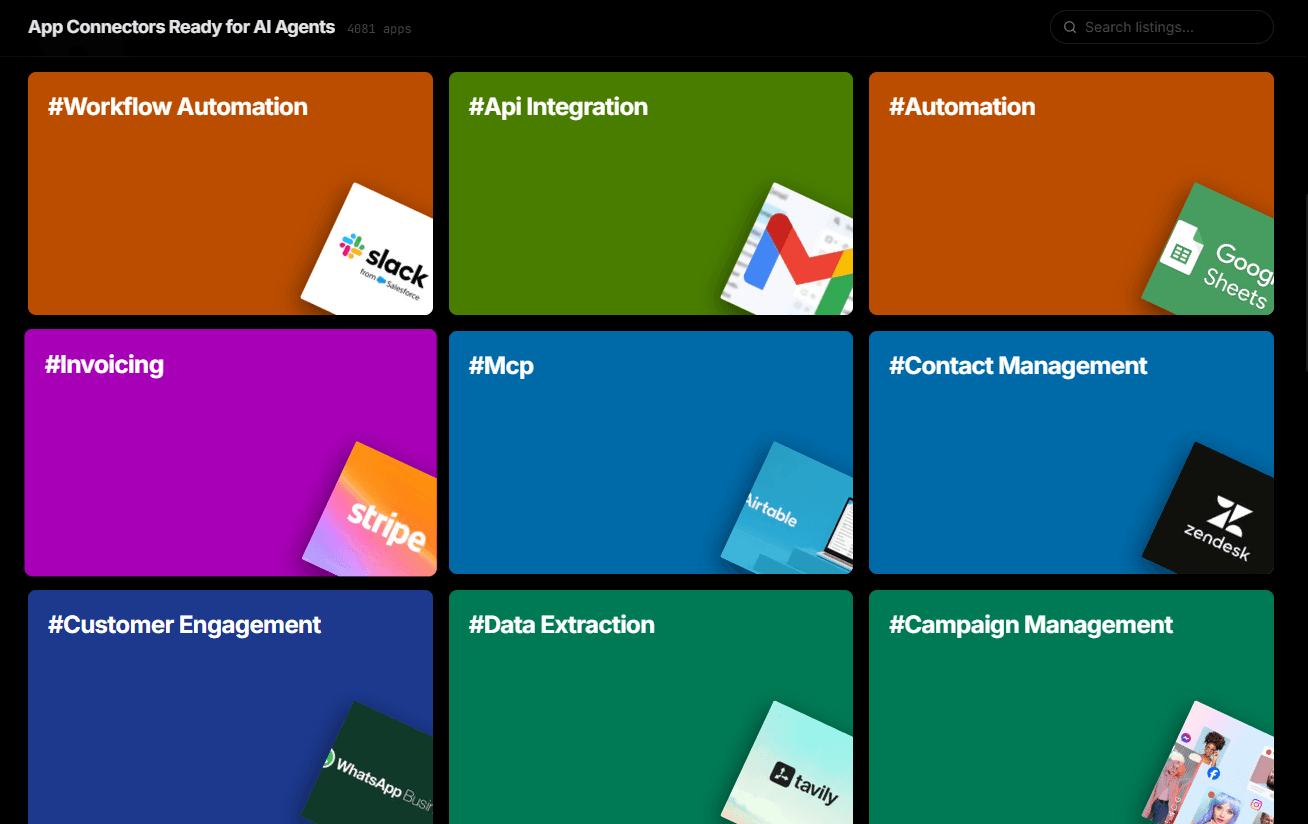
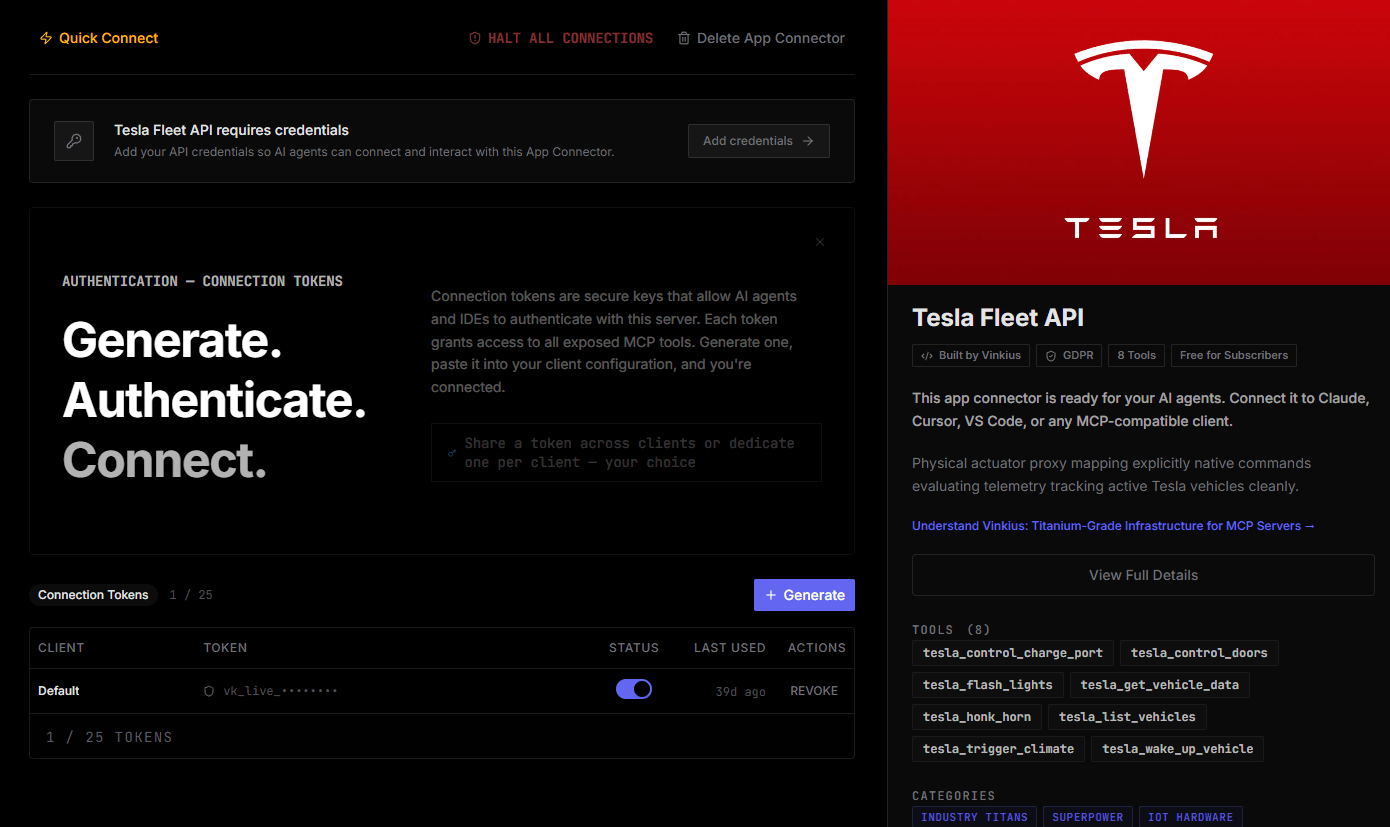
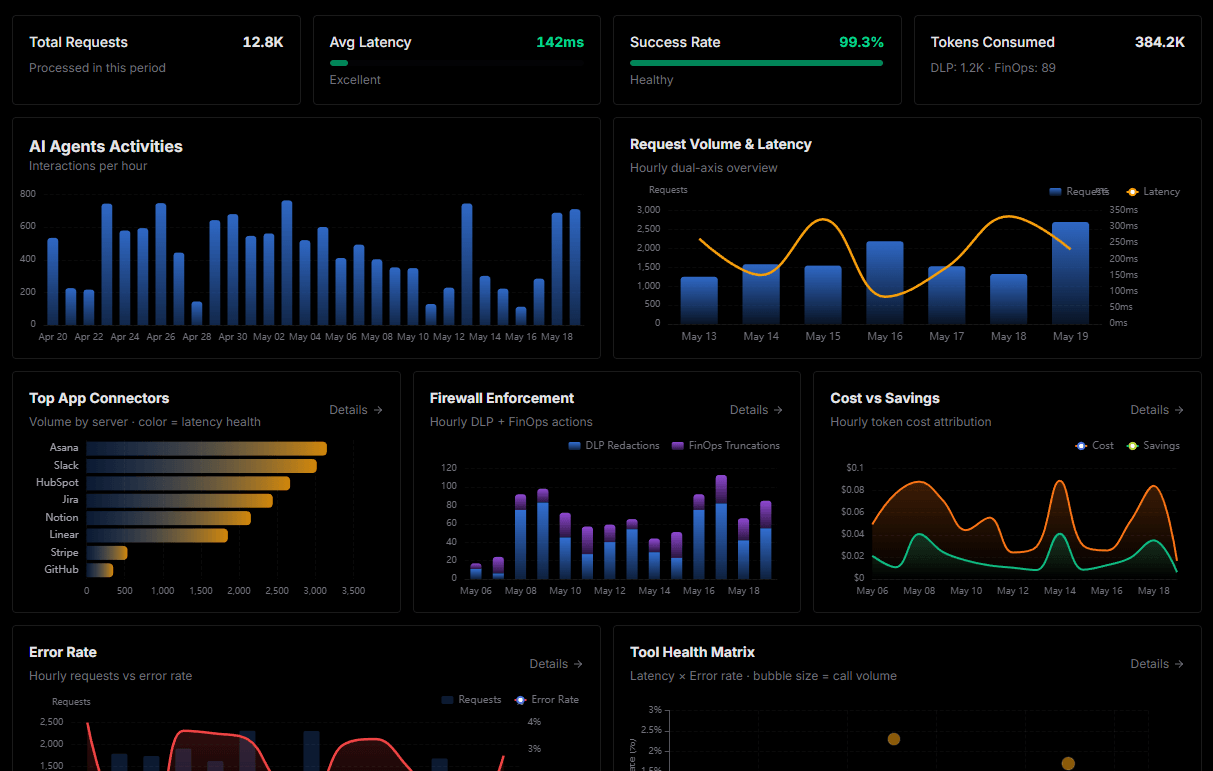
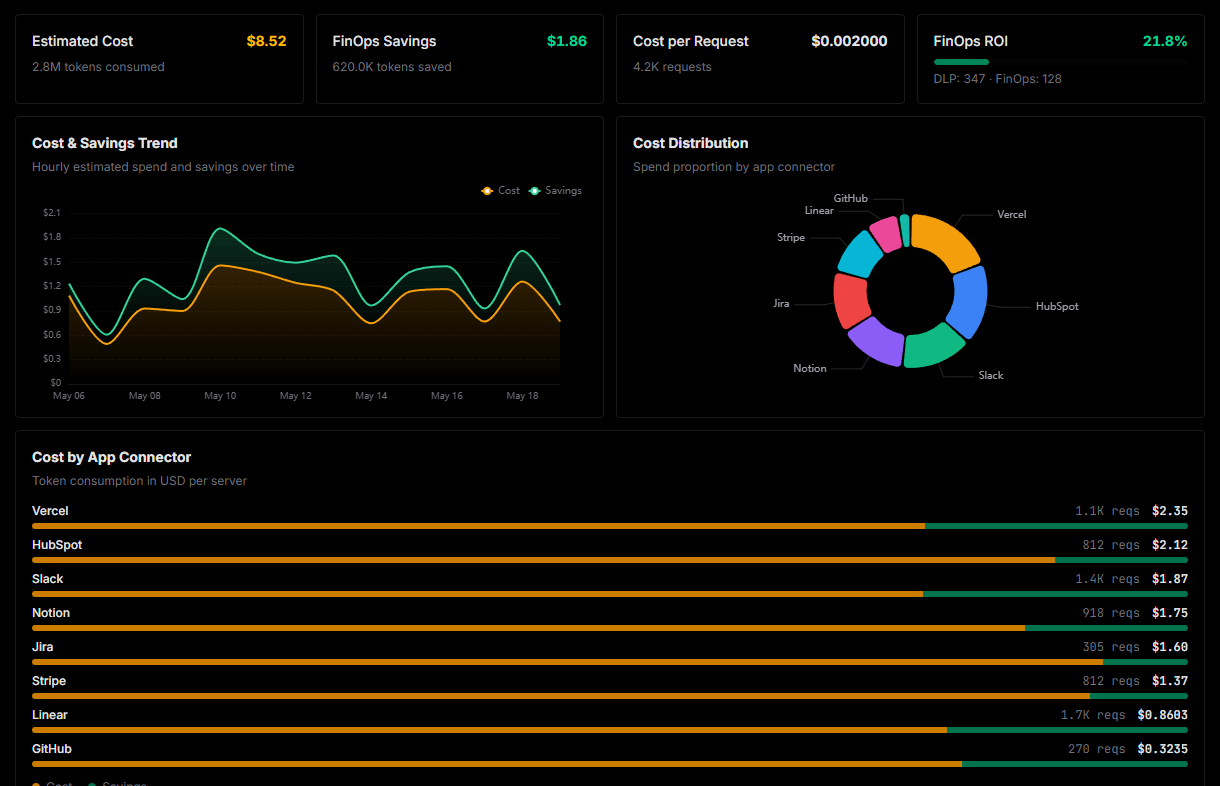
Explore our live AI Agents Analytics dashboard to see it all working
This dashboard is included when you connect Notion Alternative using Vinkius. You will never be left in the dark about what your AI agents are doing with your tools.
Notion Alternative and 4,000+ other AI tools. No hosting, no code, ready to use.
Professionals who connect Notion Alternative to VS Code Copilot through Vinkius don't need to write code, manage servers, or worry about security. Everything is pre-configured, secure, and runs automatically in the background.
Raw MCP | Vinkius | |
|---|---|---|
| Ready-to-use MCPs | Find and configure each manually | 4,000+ MCPs ready to use |
| Connection Setup | Manual coding & server setup | 1-click instant connection |
| Server Hosting | You host it yourself (needs 24/7 uptime) | 100% hosted & managed by Vinkius |
| Security & Privacy | Stored in plaintext config files | Bank-grade encrypted vault |
| Activity Visibility | Blind execution (no logs or tracking) | Live dashboard with real-time logs |
| Cost Control | Runaway AI token spend risk | Automatic budget limits |
| Revoking Access | Must delete files or code to stop | 1-click disconnect button |
How Vinkius secures
Notion Alternative for VS Code Copilot
Every request between VS Code Copilot and Notion Alternative is protected by our secure gateway. We automatically keep your sensitive data private, prevent unauthorized access, and let you disconnect instantly at any time.
Frequently asked questions
How do I create a Notion Internal Integration Token?
Go to Notion Integrations, click + New integration, give it a name, select the workspace and click Submit. Copy the Internal Integration Secret (starts with ntn_). Then, open any page or database in Notion, click ... > Add connections and select your integration to grant access.
Why can't the integration see my pages?
Notion integrations only have access to pages and databases you explicitly share with them. Open any page, click ... (top-right) > Add connections, and select your integration. The integration will then have access to that page and all its children. Use the search tool to discover accessible content.
Can I create new pages in a database?
Yes! Use create_database_row with the database ID and a properties JSON object. First use get_database to see the property schema (column names and types). Properties follow Notion's format: {"Name":{"title":[{"text":{"content":"My Page"}}]},"Status":{"select":{"name":"Done"}}}.
Can I read and append page content?
Yes! Use get_page_blocks with a page ID to read all block children (paragraphs, headings, lists, etc.). Use append_block to add new blocks — provide the page ID and a JSON array of block objects following Notion's block schema.
Which VS Code version supports MCP?
MCP support requires VS Code 1.99 or later with the GitHub Copilot extension. Ensure both are updated to the latest version. Older versions of Copilot may not expose the Agent mode toggle.
How do I switch to Agent mode?
Open the Copilot Chat panel and look for two mode options: "Ask" and "Agent". Click "Agent" to enable autonomous tool calling. In Ask mode, Copilot provides conversational answers but cannot invoke MCP tools.
Can I restrict which MCP tools Copilot can access?
Yes. VS Code shows a tool consent dialog before any MCP tool is invoked for the first time. You can also configure tool access policies at the organization level through GitHub Copilot settings.
Does MCP work in VS Code Remote or Codespaces?
Yes. MCP servers configured via .vscode/mcp.json work in Remote SSH, WSL, and GitHub Codespaces environments. The MCP connection is established from the remote host, so ensure the server URL is accessible from that environment.
MCP tools not available
Ensure you are in Agent mode in Copilot Chat. MCP tools only appear in Agent mode.
Explore More MCP Servers
View all →
TransportAPI Alternative
12 toolsUK public transport intelligence — live departures, journey planning, train fares, timetables, and postcode-based station search via AI.

HiBob
11 toolsAutomate HR workflows via HiBob — manage employees, time off, and tasks directly from any AI agent.
Mailjet
8 toolsSend transactional emails and manage marketing campaigns via the Mailjet REST API.

Snowflake
11 toolsExecute SQL queries, manage databases, and analyze data on Snowflake with AI agents.