
Bring Time Tracking
to OpenAI Agents SDK
Create your Vinkius account to connect Paymo to OpenAI Agents SDK and start using all 10 AI tools in minutes. Fully managed, enterprise secure, and ready to use without writing a single line of code. No hosting, no server setup — just connect and start using.
 GDPR Free for Subscribers
Compatible with every major AI agent and IDE
 Gemini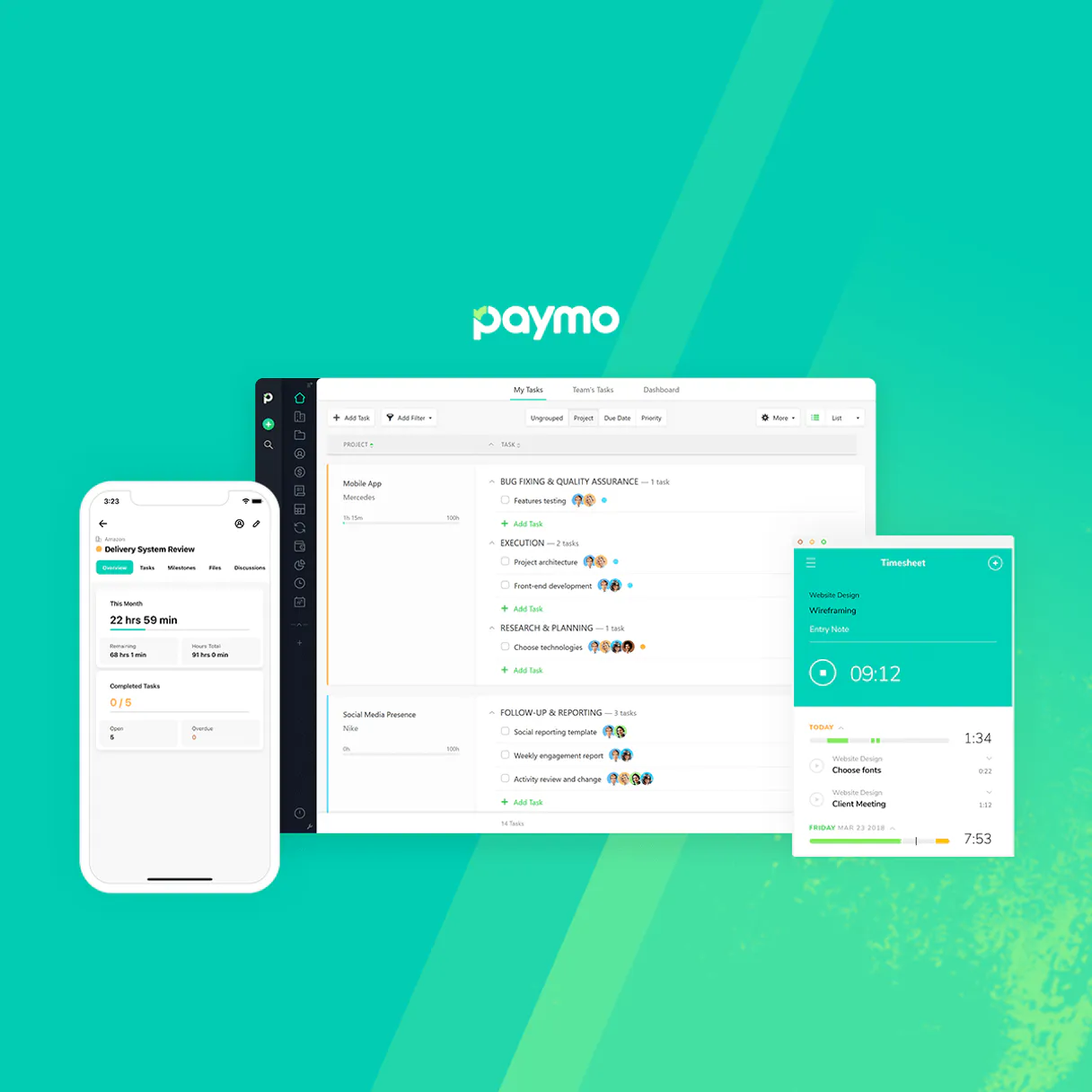
What is the Paymo MCP Server?
Bring the Paymo Project Platform directly into your generative spaces explicitly routing commands. Orchestrate global time tracking pipelines, manipulate defined agency client boundaries, list strict project milestones dynamically, and extract arrays corresponding to invoices and active operational tasks remotely via intelligent prompting workflows natively.
What you can do
- Project Modeling — Trace collaborative groupings checking native logic and limits identifying exactly how milestones or active tasks tie back implicitly to Client entities
- Time Entries Pipeline — Generate commands explicit logs matching logical boundaries tracking the hours actively running on defined agency metrics continuously
- Billing Extraction — Execute secure remote validation fetching invoices attached natively resolving status parameters reliably matching financial limits
- Agile Manipulation — Dispatch isolated instances defining explicit new
create_tasklogic parsing complex bounds mapped over users
How it works
- Subscribe dynamically linking the integration structure securely
- Supply your explicit Paymo bounded Token API Keys
- Start mapping arrays testing boundaries through structured Claude or Cursor queries natively
Who is this for?
- Agency Founders — check global active time limitations extracting explicit metrics identifying missing accounting data remotely
- Account Managers — map isolated logical client outputs fetching invoice status arrays and confirming active milestone boundaries gracefully
- Consultant Contractors — apply semantic AI pipelines actively posting your time entries tracking isolated assignments daily directly passing a text command
Built-in capabilities (10)
Dispatch an automated validation check routing explicit Task additions
Mutate global bounds verifying explicitly assigned Ledger additions
Inspect deep internal arrays mitigating specific Project bindings
Identify precise active arrays spanning native CRM identities
Perform structural extraction of properties driving active Billing
Inspect deep internal arrays mitigating specific Time targets
Identify bounded routing spaces inside the Headless Paymo Platform
Retrieve explicit Cloud logging tracing explicit Project Tasks
Enumerate explicitly attached structured rules exporting active Ledger data
Enumerate explicitly attached structured rules defining Worker identities
Why OpenAI Agents SDK?
The OpenAI Agents SDK auto-discovers all 10 tools from Paymo through native MCP integration. Build agents with built-in guardrails, tracing, and handoff patterns. chain multiple agents where one queries Paymo, another analyzes results, and a third generates reports, all orchestrated through Vinkius.
- —
Native MCP integration via
MCPServerSse, pass the URL and the SDK auto-discovers all tools with full type safety - —
Built-in guardrails, tracing, and handoff patterns let you build production-grade agents without reinventing safety infrastructure
- —
Lightweight and composable: chain multiple agents and MCP servers in a single pipeline with minimal boilerplate
- —
First-party OpenAI support ensures optimal compatibility with GPT models for tool calling and structured output
Paymo in OpenAI Agents SDK
Why run Paymo with Vinkius?
The Paymo connection runs on our fully managed, secure cloud infrastructure. We handle the hosting, maintenance, and security so you don't have to deal with servers or code. All 10 tools are ready to work instantly without any complex setup.
You stay in complete control of your data. Your AI only accesses the information you approve, keeping your sensitive passwords and private details completely safe. Plus, with automatic optimizations, your AI works faster and more efficiently.
* Every connection is hosted and maintained by Vinkius. We handle the security, updates, and infrastructure so you don't have to write code or manage servers. See our infrastructure
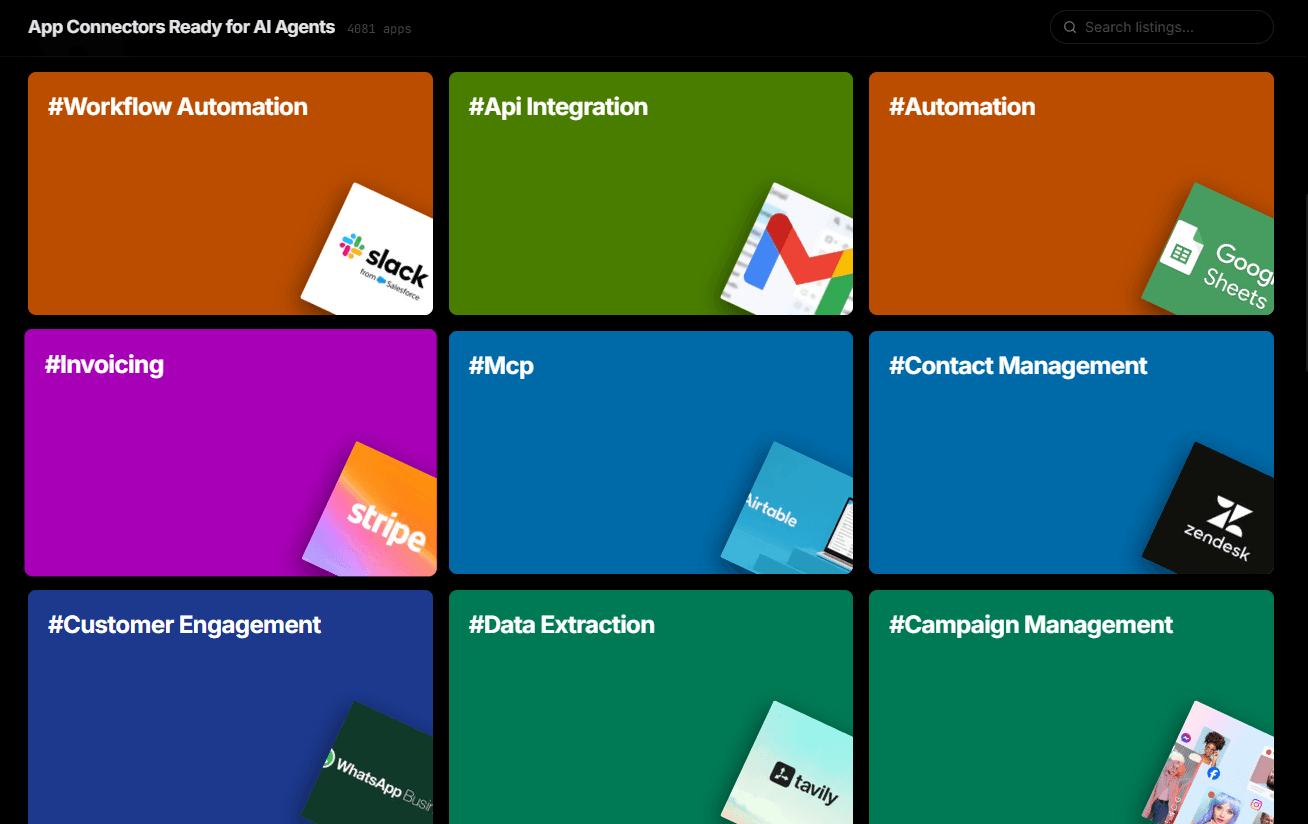
Over 4,000 integrations ready for AI agents
Explore a vast library of pre-built integrations, optimized and ready to deploy.
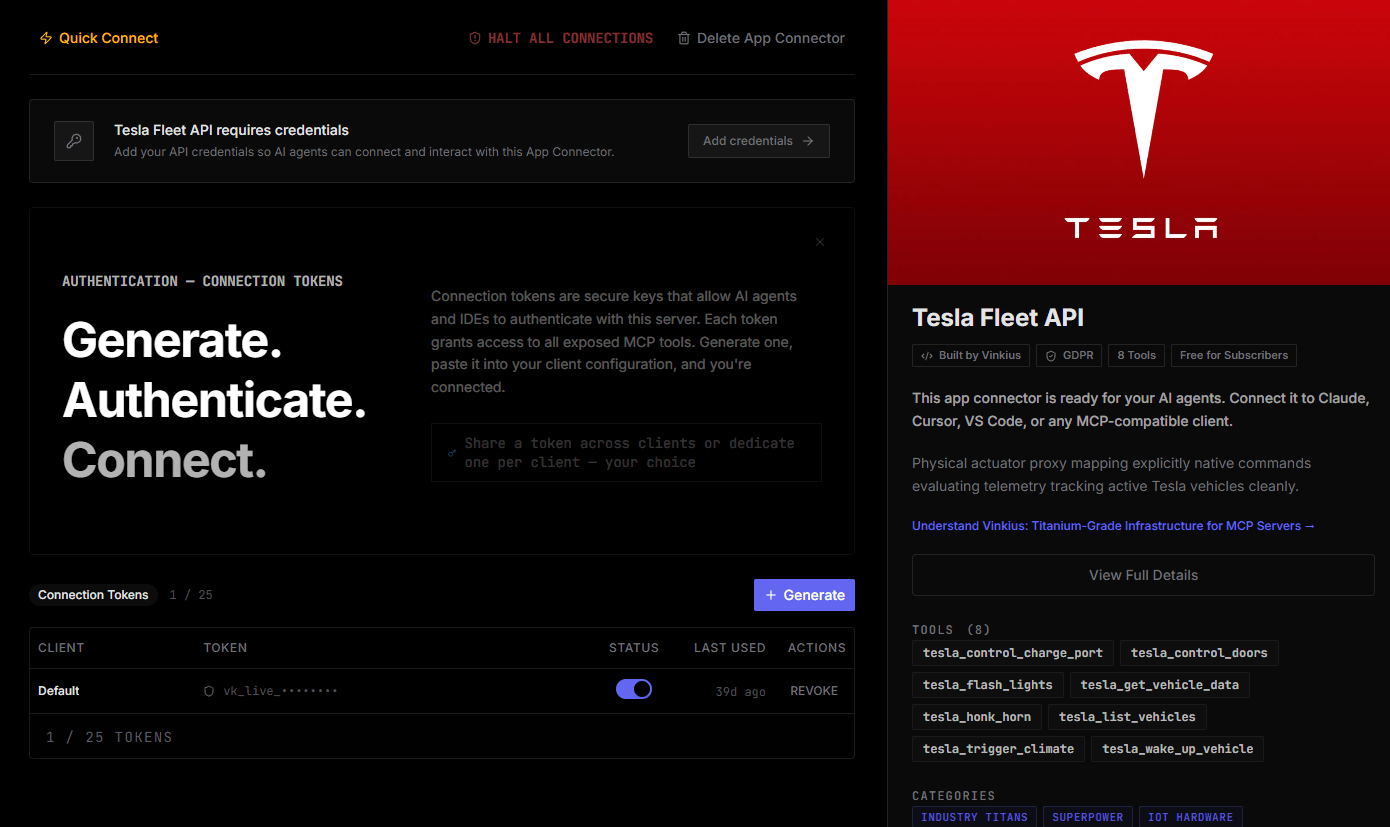
Connect securely in under 30 seconds
Generate tokens to authenticate and link external services in a single step.
Complete visibility into every agent action
Audit live requests, latency, success rates, and active security compliance policies.
Optimize spending and track token ROI
Analyze real-time token consumption and cost metrics detailed by connection.
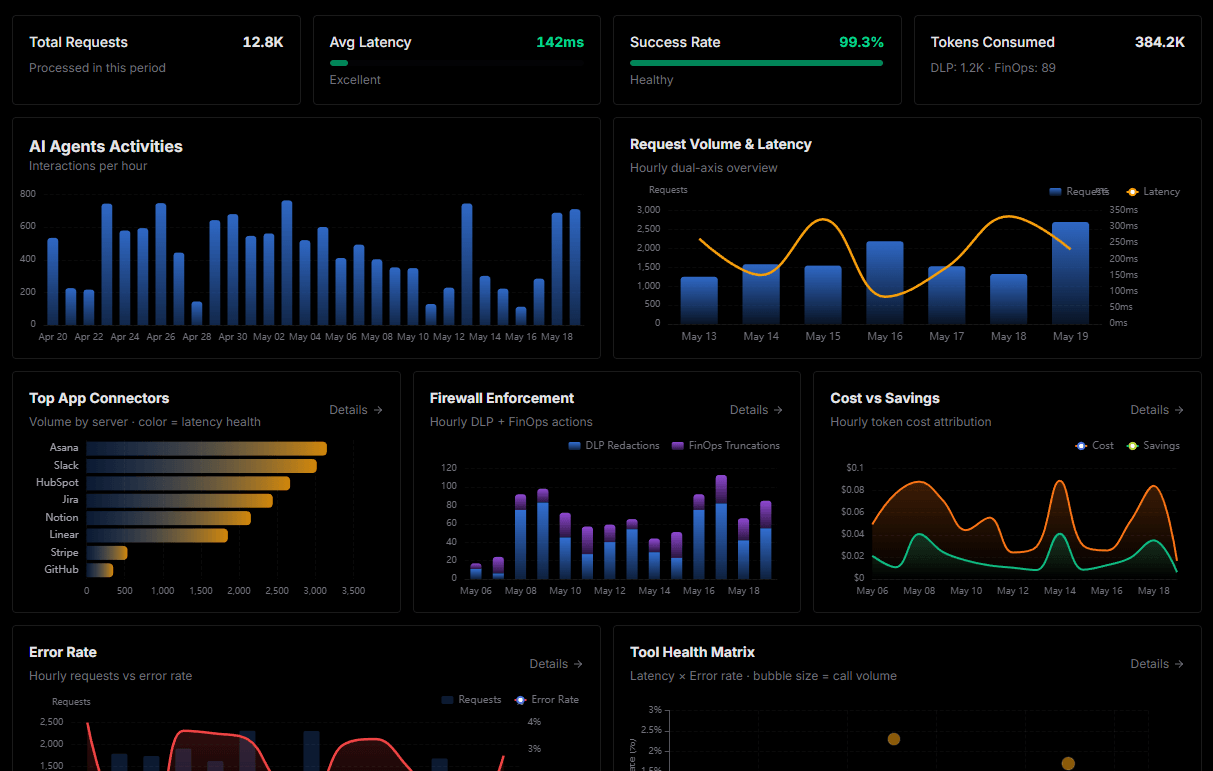
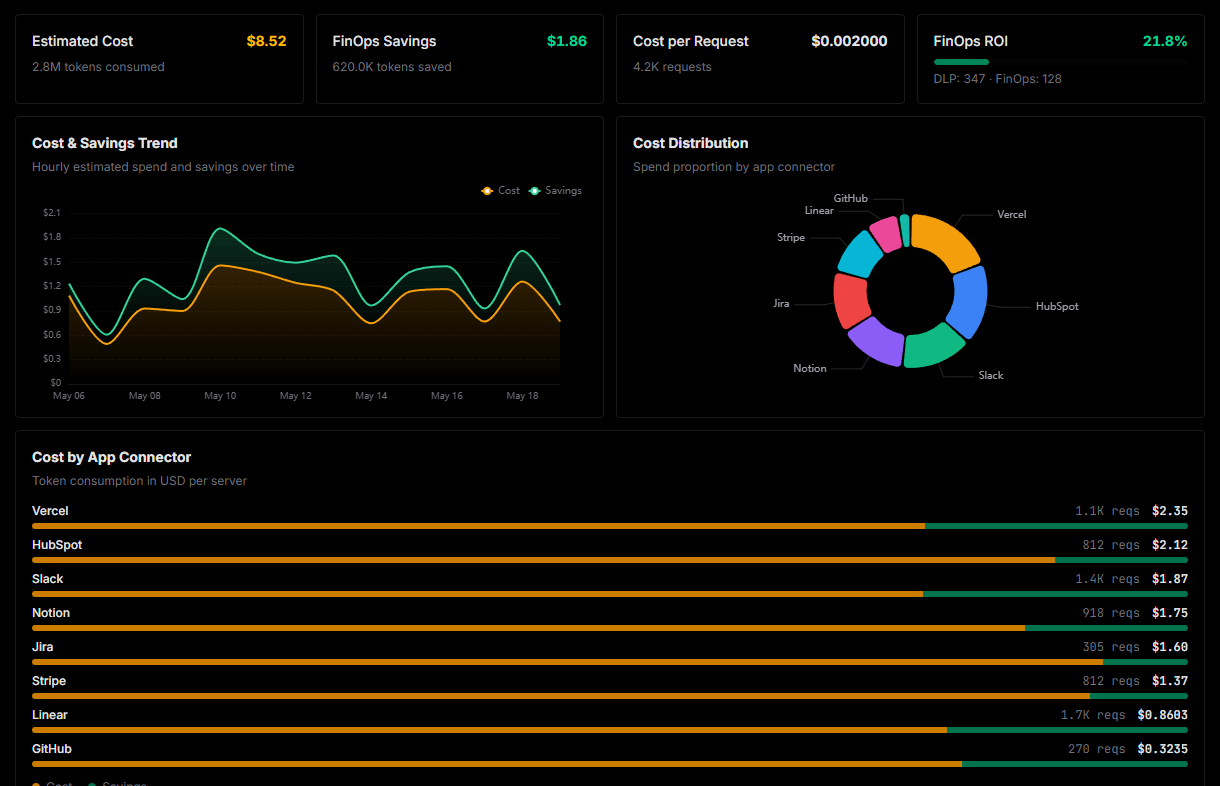
Explore our live AI Agents Analytics dashboard to see it all working
This dashboard is included when you connect Paymo using Vinkius. You will never be left in the dark about what your AI agents are doing with your tools.
Paymo and 4,000+ other AI tools. No hosting, no code, ready to use.
Professionals who connect Paymo to OpenAI Agents SDK through Vinkius don't need to write code, manage servers, or worry about security. Everything is pre-configured, secure, and runs automatically in the background.
Raw MCP | Vinkius | |
|---|---|---|
| Ready-to-use MCPs | Find and configure each manually | 4,000+ MCPs ready to use |
| Connection Setup | Manual coding & server setup | 1-click instant connection |
| Server Hosting | You host it yourself (needs 24/7 uptime) | 100% hosted & managed by Vinkius |
| Security & Privacy | Stored in plaintext config files | Bank-grade encrypted vault |
| Activity Visibility | Blind execution (no logs or tracking) | Live dashboard with real-time logs |
| Cost Control | Runaway AI token spend risk | Automatic budget limits |
| Revoking Access | Must delete files or code to stop | 1-click disconnect button |
How Vinkius secures
Paymo for OpenAI Agents SDK
Every request between OpenAI Agents SDK and Paymo is protected by our secure gateway. We automatically keep your sensitive data private, prevent unauthorized access, and let you disconnect instantly at any time.
Frequently asked questions
How exactly does the AI log time tracking entries to a task?
Through explicit invocation by pushing bounds mapped securely over create_time_entry. You instruct exactly 'Add 2 hours for task XY', and the node bridges those limits pushing explicitly into the structural API.
Are milestone objects connected to project extractions natively?
Yes. When extracting specific metadata loops using list queries, milestones return explicit JSON bounds resolving the connected project parent limits gracefully revealing dates strictly.
Can it trace users and identify the ID mapped over each collaborator logically?
Absolutely, dispatching list_users isolates parameters matching team structures natively to evaluate specific user metadata IDs reliably required by other explicit creation blocks.
How does the OpenAI Agents SDK connect to MCP?
Use MCPServerSse(url=...) to create a server connection. The SDK auto-discovers all tools and makes them available to your agent with full type information.
Can I use multiple MCP servers in one agent?
Yes. Pass a list of MCPServerSse instances to the agent constructor. The agent can use tools from all connected servers within a single run.
Does the SDK support streaming responses?
Yes. The SDK supports SSE and Streamable HTTP transports, both of which work natively with Vinkius.
MCPServerStreamableHttp not found
Ensure you have the latest version: pip install --upgrade openai-agents
Agent not calling tools
Make sure your prompt explicitly references the task the tools can help with.
Explore More MCP Servers
View all →
Cortex XSIAM
9 toolsConnect Cortex XSIAM to any AI agent via MCP.

Mistral AI
10 toolsAccess Mistral AI models via API — chat with Claude alternatives, generate embeddings, moderate content and manage batch jobs from any AI agent.

EngageBay All-in-One CRM
10 toolsEquip your AI agent to manage contacts, track sales deals, and monitor CRM tasks via the EngageBay API.

Miro (Visual Collaboration & Whiteboarding)
8 toolsManage collaborative boards via Miro — create sticky notes, list visual items, and audit team members.